A windshield chip can look small in the driveway and become a long crack on the first hot afternoon or rough commute. Choosing the right auto glass shop is not simply about getting new glass installed quickly. It is about restoring clear visibility, protecting the vehicle’s structure, and making sure the safety technology behind the windshield works the way it should.
For drivers in Humble and across Harris County, the best answer depends on the damage, the vehicle, and how soon the issue needs attention. A qualified local specialist should explain those differences plainly, give you a realistic recommendation, and perform the work with the care your vehicle requires.
What a Reliable Auto Glass Shop Should Help You Decide
The first decision is usually repair versus replacement. Windshield repair is often a smart, cost-conscious option when damage is small, outside the driver’s direct line of sight, and has not spread into a long crack. A proper repair fills and stabilizes the damaged area to help prevent it from growing. It can improve appearance, but it does not always make a chip disappear completely.
Replacement is generally the safer choice when a crack is long, damage reaches the edge of the windshield, the glass is badly pitted, or the affected area compromises visibility. Windshield edges are especially important because they contribute to the glass’s strength and how it supports the vehicle during a collision or rollover.
A dependable shop should not push a replacement when a repair will safely do the job. At the same time, it should not treat every crack as a cosmetic issue. The right recommendation protects both your budget and your safety.
Installation Quality Is a Safety Issue
Modern windshields do much more than block wind, rain, and road debris. In many passenger vehicles, the windshield supports the roof structure and helps the passenger-side airbag deploy in the intended direction. That makes installation quality just as important as the replacement glass itself.
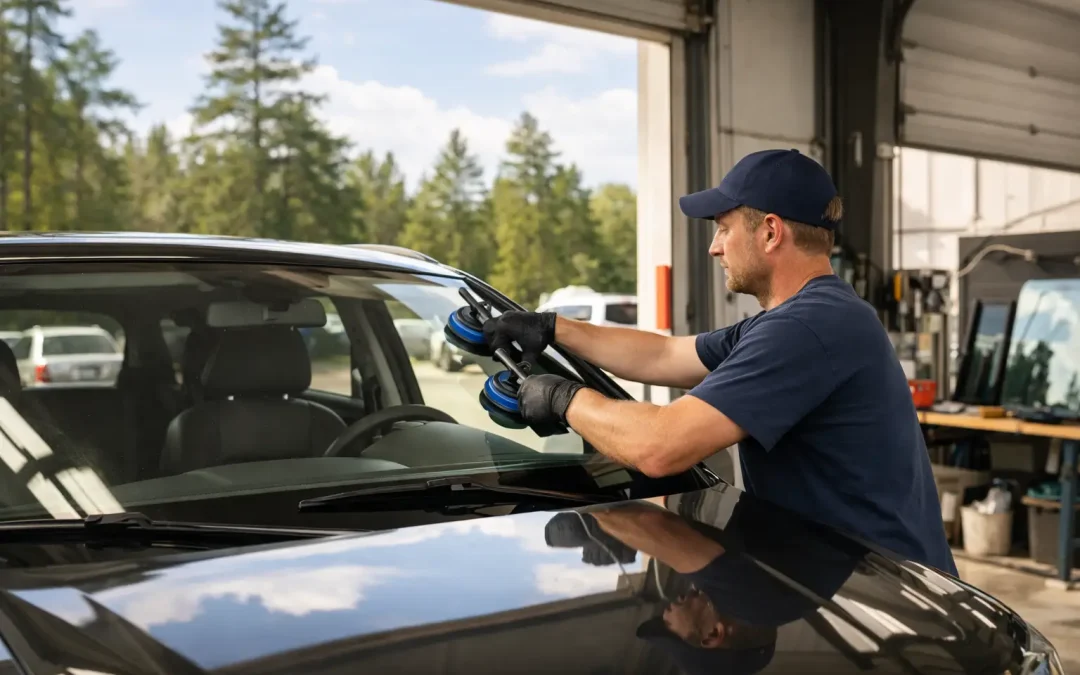
Proper replacement begins with removing the damaged windshield without harming the surrounding frame or trim. The bonding surface must be prepared carefully, and the correct automotive-grade adhesive must be applied correctly. The glass then needs to be positioned precisely and allowed adequate safe-drive-away time before the vehicle returns to regular use.
Rushing this process can create problems that may not be obvious right away. Wind noise, water leaks, loose molding, and poor fit are frustrating signs. More serious concerns involve the windshield not being bonded as intended. Ask the technician when it is safe to drive, and follow that guidance even if you are eager to get back on the road.
Glass quality also deserves a straightforward conversation. Depending on the vehicle and the part needed, you may have original-equipment glass or quality aftermarket options. Either can be appropriate when selected and installed correctly, but the best choice can depend on sensor compatibility, availability, insurance coverage, and your preferences. A good shop will explain the options without burying you in technical language.
Why Windshield Calibration Cannot Be Skipped
If your vehicle has a forward-facing camera near the rearview mirror, it may use advanced driver-assistance systems, commonly called ADAS. Features such as lane departure warnings, lane-keeping assistance, automatic emergency braking, adaptive cruise functions, and forward collision alerts may rely on cameras or sensors that look through or are positioned around the windshield.
After windshield replacement, those systems may need calibration. Calibration verifies that the camera or sensor is aligned accurately with the vehicle. Without it, a safety feature may not recognize lanes, distance, or road conditions as intended.
This is one of the clearest reasons to choose an auto glass shop with modern calibration capability. Some vehicles require static calibration in a controlled setting using targets and diagnostic equipment. Others require dynamic calibration during a guided road procedure. Certain models require both. The exact process depends on the manufacturer, model year, trim level, and equipment on your vehicle.
Do not assume a dashboard warning light is the only sign calibration is needed. Some systems can appear normal while still needing a required procedure after glass replacement. A trained technician should verify the vehicle’s requirements, complete the proper calibration when needed, and communicate the result clearly.
The Rest of Your Vehicle’s Glass Matters Too
Windshields get most of the attention, but side windows, back glass, quarter glass, mirrors, and sunroofs affect daily safety and security as well. Broken door glass leaves your interior exposed to weather and theft. Back glass damage can reduce visibility and may affect integrated defroster lines. A damaged mirror makes lane changes and parking more difficult. A cracked or leaking sunroof can turn a rainstorm into an expensive interior repair.
Power window problems deserve prompt attention even when the glass is not broken. If a window drops into the door, moves slowly, tilts, or will not close, the window regulator, motor, switch, or track may need service. For families, commuters, and anyone who parks outside, a window that will not close is more than an inconvenience.
Water leaks can be equally deceptive. The water may show up on the floorboard, headliner, or dashboard far from the actual entry point. A careful inspection is needed to identify whether the issue involves windshield sealing, a sunroof drain, damaged weatherstripping, or another source. Covering the symptom without finding the cause can lead to repeat leaks, mold, electrical issues, and interior damage.
Mobile Service Is Convenient, but Conditions Matter
Mobile auto glass service can save valuable time when your vehicle is parked at home or work. It is especially helpful after a break-in, when a damaged windshield makes driving uncomfortable, or when a busy schedule makes an in-shop visit difficult.
Still, mobile service is not automatically the best setting for every repair. Weather, parking conditions, access around the vehicle, and calibration requirements can affect the job. Heavy rain, excessive wind, extreme temperatures, or limited workspace may make an in-shop appointment safer and more efficient. Likewise, some calibration procedures require equipment and conditions that are better handled at a service location.
A professional shop will be honest about that trade-off. Convenience matters, but the goal is never to force a mobile appointment when it could compromise workmanship or delay proper calibration.
Questions Worth Asking Before You Schedule
Before approving service, get clear answers about the work rather than relying only on the lowest quote. These questions help you compare providers fairly:
- Is my damage safe to repair, or does the glass need replacement?
- Does my vehicle require ADAS windshield calibration after replacement?
- What type of glass will be used, and is it compatible with my vehicle’s features?
- How long should I wait before driving after installation?
- Is mobile service suitable for my location and this specific repair?
- What workmanship support is provided if there is a leak, wind noise, or fit issue?
Clear answers are a sign that the shop understands both the technical work and the customer experience. You should know what is being done, why it is needed, and what to expect when the work is complete.
A Local Choice Should Feel Personal
When glass damage interrupts your day, you should not have to sort through vague recommendations or wonder whether safety steps were skipped. Local service has value when it comes with direct communication, practical scheduling, and technicians who take responsibility for the finished job.
NXT Auto Glass serves Humble, Texas, and nearby Harris County communities with repair, replacement, power window, sunroof, mirror, water leak, and windshield calibration services designed around that standard. The goal is simple: provide the right repair, complete it precisely, and help you leave with clear visibility and confidence in your vehicle.
If a chip, crack, broken window, or leak is getting worse, address it before weather, road vibration, or time turns a manageable repair into a larger problem. A quick, informed conversation with a qualified technician can give you a clear path forward and help keep your next drive safer.