A lot of drivers only hear about windshield recalibration after they replace a cracked windshield and suddenly get a warning light on the dash. That moment catches people off guard because the glass looks fine, but modern windshields do more than block wind and rain. If your vehicle has driver-assist features, the windshield may also help support the cameras and sensors those systems rely on. That is why understanding what is windshield recalibration can make the difference between a vehicle that simply looks repaired and one that is actually safe to drive.
What is windshield recalibration?
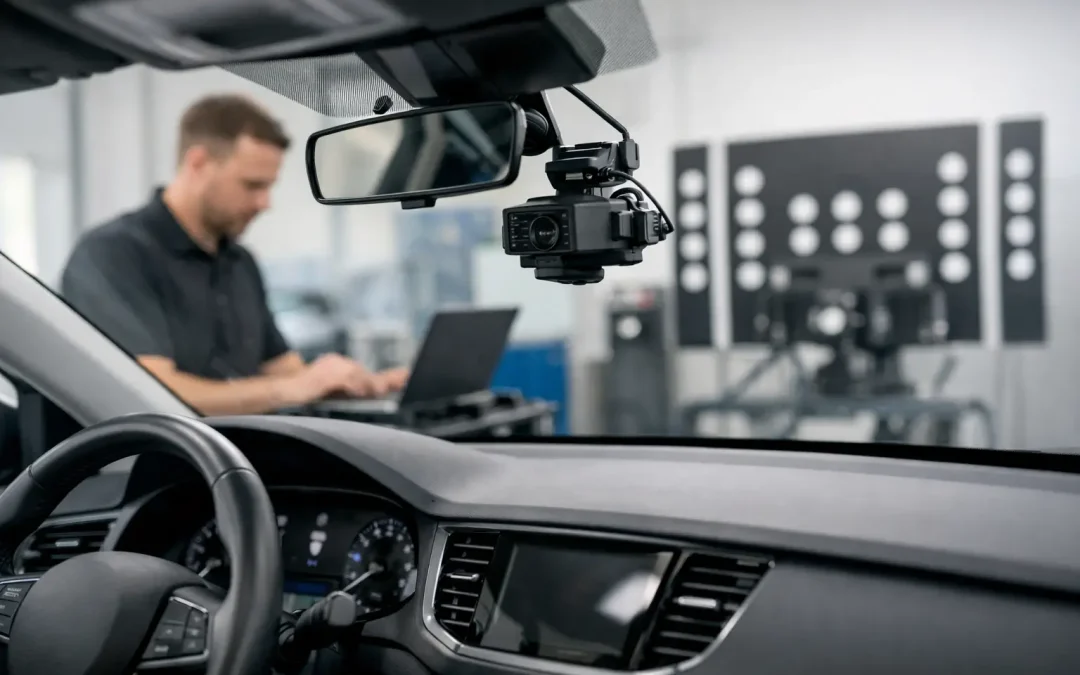
Windshield recalibration is the process of resetting and aligning the cameras and related safety systems connected to your windshield. On many newer vehicles, a forward-facing camera is mounted near the rearview mirror area. That camera helps power Advanced Driver Assistance Systems, often called ADAS.
These systems can include lane departure warning, lane keep assist, forward collision warning, automatic emergency braking, traffic sign recognition, and adaptive cruise control. For those features to work properly, the camera must be positioned at exactly the right angle. Even a very small shift during windshield replacement can affect how the system reads the road.
Recalibration brings that camera back into proper alignment based on the vehicle manufacturer’s specifications. Without it, your ADAS features may not respond the way they should.
Why recalibration matters after windshield replacement
Replacing a windshield is not just a glass job on many vehicles anymore. It is also a safety system job. If the camera attached to the windshield is even slightly off, the vehicle may misjudge lane markings, following distance, or obstacles ahead.
That does not always mean the system will stop working completely. In some cases, it still turns on, but it may react too early, too late, or inconsistently. That gray area is exactly why recalibration matters. A vehicle can seem normal until a critical moment on the road exposes the problem.
For families, commuters, and anyone driving Houston-area traffic every day, that is not a detail to overlook. The goal is not just to install new glass. The goal is to restore the vehicle to proper operating condition.
How windshield recalibration works
There are two main types of calibration: static and dynamic. Some vehicles require one, and others require both.
Static calibration
Static calibration is done in a controlled shop setting using targets, measuring tools, and diagnostic equipment. The vehicle is positioned precisely, and the technician uses manufacturer procedures to reset the camera while the car remains stationary.
This process depends on accuracy. Floor level, lighting, target placement, ride height, and alignment can all affect the results. It is technical work, which is why the setup matters as much as the tool itself.
Dynamic calibration
Dynamic calibration happens on the road. After the windshield is installed, the technician uses scan tools and follows the required driving conditions so the vehicle can relearn lane markings, road positioning, and surrounding traffic patterns.
This is not just a quick spin around the block. The vehicle may need to be driven at specific speeds, on clearly marked roads, and under suitable weather conditions before calibration is completed.
Some vehicles need both
It depends on the make and model. Certain vehicles require a static setup first and then a dynamic drive cycle after. Others may call for only one method. That is why a one-size-fits-all answer does not work with windshield recalibration.
Signs your vehicle may need recalibration
The most common reason is windshield replacement, but it is not the only one. If your windshield camera was disturbed, removed, or disconnected, recalibration may be required.
You may also need it after a collision, suspension changes, wheel alignment issues, or repairs that affect camera positioning. In some cases, the vehicle will show an ADAS warning light or message. In others, there may be no obvious alert at all.
If your car has safety features tied to the windshield, the safest approach is to verify calibration requirements anytime that area has been serviced.
What happens if recalibration is skipped?
This is where people understandably try to save time or money, but skipping recalibration can create real risk. If the camera is not reading correctly, systems meant to assist you may become unreliable.
That could mean lane keep assist nudging at the wrong time, forward collision alerts triggering late, or adaptive cruise control responding inconsistently. In heavy traffic, on wet roads, or during a quick stop, small errors can matter.
There is also a practical side. Some vehicles may continue showing warning messages until calibration is completed. Others may disable certain safety features altogether. So even if the windshield itself is installed correctly, the vehicle may not be fully restored.
Is windshield recalibration always required?
Not every vehicle needs it, because not every vehicle has a windshield-mounted ADAS camera. Older cars and basic trim packages may not have these systems at all.
But if your vehicle includes lane assist, automatic braking, collision alerts, or similar features, recalibration is often required after windshield replacement. The only reliable way to know is to check the vehicle’s specifications and manufacturer procedures.
This is one of those areas where guessing is a bad idea. Two vehicles parked side by side can need completely different post-replacement steps.
Why precision matters more than speed
Most drivers want the job done quickly, and that is reasonable. You need your car back. But with recalibration, speed should never come at the expense of accuracy.
A rushed installation or incomplete calibration may not show immediate problems. The issue may only appear when the system has to make a real-time safety decision. That is why proper equipment, trained technicians, and a clear process matter so much.
Good recalibration work is careful work. It involves confirming the vehicle’s requirements, installing the windshield correctly, allowing materials to cure as needed, scanning for faults, and completing the correct calibration procedure. That attention to detail protects the value of the repair.
What to expect during the service
If your vehicle needs recalibration, the service should start with identifying the ADAS features and checking manufacturer requirements. From there, the windshield replacement and calibration process are planned together, not treated as separate guesses.
After installation, the technician will use diagnostic tools to check for codes and confirm whether static, dynamic, or combined calibration is needed. The vehicle may then stay in the shop for a controlled setup, or it may need a road test under specific conditions.
Once complete, the system should be verified so you know the camera and related features are functioning as intended. Clear communication matters here. You should understand what was done and why it was necessary.
Choosing the right shop for windshield recalibration
This is not just about finding someone who can replace glass. It is about finding someone who understands how glass, electronics, and safety systems work together.
Ask whether the shop handles ADAS calibration, whether it follows vehicle-specific procedures, and whether it can explain what your car requires in plain language. A dependable local shop should be able to answer those questions clearly without making the process sound more confusing than it is.
For drivers in Humble and across nearby Harris County communities, that kind of straightforward service matters. NXT Auto Glass approaches recalibration with the same focus that should guide any safety-related repair – get the details right, communicate clearly, and return the vehicle in proper condition.
What is windshield recalibration really about?
At its core, windshield recalibration is about making sure the safety technology you paid for can still do its job after the glass has been replaced. It is not an upsell added for no reason, and it is not just about clearing a dashboard light. It is about restoring the camera’s view of the road so your driver-assist systems can respond the way the manufacturer intended.
If your vehicle has ADAS features, a new windshield is only part of the repair. The calibration is what helps finish the job properly. When your view, your safety systems, and your peace of mind are all tied to the same piece of glass, precision is worth it.