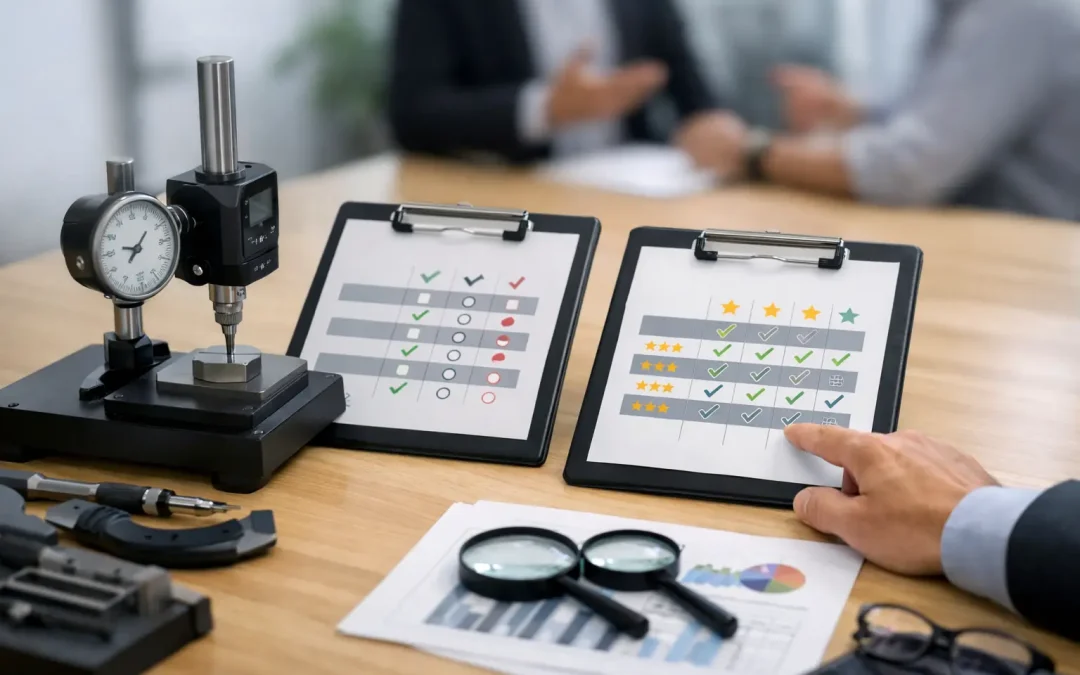
A windshield replacement can look perfect and still leave a safety-critical job unfinished. On many newer vehicles, the cameras and sensors behind the windshield support features such as forward-collision alerts, automatic emergency braking, lane-departure warnings, and lane-keeping assistance. If those systems require calibration after glass work, choosing the right provider matters. This calibration provider comparison explains what drivers should look for before approving the work.
The best choice is not always the lowest quote or the first company with an available appointment. Calibration requires the correct equipment, vehicle-specific procedures, a suitable work environment, and a technician who understands how windshield installation and ADAS performance connect. A qualified provider should be able to explain the process clearly and document that the vehicle completed it successfully.
Why calibration is part of a safe windshield repair
The forward-facing camera on an ADAS-equipped vehicle is commonly mounted near the rearview mirror, looking through the windshield. Even a small change in windshield position, glass type, camera mounting, or camera angle can affect what that system sees. That is why many manufacturers require calibration after windshield replacement and, in some cases, after related repairs or collision work.
Calibration does not make a vehicle autonomous, and it does not replace attentive driving. It helps the vehicle’s driver-assistance features interpret the road as intended by the manufacturer. Skipping a required calibration may leave warning lights on, disable certain features, or create a situation where the system does not respond as expected.
A responsible auto glass provider starts by checking the vehicle, not by assuming every replacement needs the same service. The year, make, model, trim, options, dashboard warnings, and manufacturer procedures all affect the answer. That upfront review is one of the clearest signs that a company is taking the work seriously.
Calibration provider comparison: the questions that count
When comparing providers, focus on evidence of capability rather than broad promises. A company should be comfortable answering direct questions about how it handles your specific vehicle.
Do they identify the correct calibration method?
Most calibrations are static, dynamic, or a combination of both. Static calibration is performed with targets placed at precise distances and heights in a controlled setup. Dynamic calibration requires a road drive under specified conditions, often including appropriate lane markings, speed ranges, traffic conditions, and weather.
Neither method is automatically better. The correct method depends on the vehicle manufacturer’s instructions. A provider that says every vehicle receives the same quick drive or the same target setup should raise questions. Proper service follows the procedure required for that vehicle, not the procedure that happens to be easiest that day.
Do they have the right equipment and a suitable setup?
Modern scan tools, calibration systems, targets, level floors, measurement tools, and reliable battery support all play a role. Calibration equipment alone is not enough. Static procedures can be affected by floor level, target placement, lighting, tire condition, vehicle load, alignment issues, and even a dirty camera area.
Ask whether the provider performs calibration in-house, through a qualified partner, or at a dealership. Any of those options can be appropriate when the process is transparent and the work is performed to manufacturer specifications. What matters is knowing who is responsible for the calibration and how the result is verified.
Mobile windshield replacement is often convenient, especially after sudden glass damage. However, calibration may need to occur at a shop or another controlled location if your vehicle requires static targets or conditions that a driveway or parking lot cannot provide. A trustworthy provider will explain that limitation instead of forcing a one-size-fits-all mobile solution.
Do they inspect the vehicle before calibrating?
A calibration provider should check for diagnostic trouble codes and visible concerns before beginning. A cracked camera bracket, damaged wiring, a misaligned bumper sensor, a weak battery, aftermarket modifications, or prior collision damage can interfere with the process. Calibration cannot correct every ADAS problem.
This is where price quotes need context. A lower quote may cover only a basic scan or a single calibration attempt. A more complete quote may include pre-scan checks, the required calibration procedure, post-scan verification, and documentation. Ask what is included so you are comparing the same level of service.
Will they provide proof of completion?
After service, you should receive clear confirmation of the result. Depending on the vehicle and equipment used, this may include a scan report, calibration report, invoice notes, before-and-after fault-code status, or a statement that the procedure passed according to the applicable process.
Documentation is helpful for your records, insurance claim, resale questions, and future diagnosis. More importantly, it shows that the provider verified the work rather than simply clearing a warning light and sending you on your way.
Watch for shortcuts that create repeat visits
Drivers usually discover the difference between providers after the first problem appears: an ADAS warning returns, a feature remains unavailable, or the vehicle has to visit another shop for the work to be completed correctly. Avoiding that inconvenience starts with recognizing a few common shortcuts.
Be cautious if a company cannot explain whether your vehicle needs calibration, promises calibration without asking for vehicle details, or treats a dashboard warning as an automatic calibration issue. Also be cautious when a provider cannot say whether original-equipment-equivalent glass is required for your particular ADAS setup. Glass selection can matter because camera systems rely on clarity, optical properties, brackets, and proper fit.
Another concern is a provider who describes calibration as optional when the manufacturer procedure says otherwise. Insurance coverage, deductible amounts, and scheduling can influence the decision, but they do not change the vehicle’s technical requirements. If a required calibration is delayed, ask what driving limitations or warning messages apply until the work is completed.
Compare the full service experience, not just the calibration line item
For most drivers, windshield replacement and calibration should feel like one connected safety service. The installer needs to protect the vehicle, use the correct materials, position the glass accurately, allow proper adhesive cure time, and ensure the camera area is clean and correctly reassembled. The calibration provider then needs to confirm that ADAS-related systems are ready for use.
That connection is especially valuable when one local specialist manages both parts of the job. It reduces handoffs, limits scheduling delays, and gives you one point of contact if a question comes up. At NXT Auto Glass, the goal is to make the technical side understandable while treating every windshield and calibration decision as a safety decision.
Still, there are situations where a dealership or specialty repair facility may be the right choice. Some vehicles have manufacturer restrictions, unusual fault codes, recent collision damage, or system concerns that require deeper diagnosis. A dependable provider will tell you when another level of service is needed rather than guessing.
Questions to ask before you schedule
You do not need to become an ADAS expert to choose confidently. A short conversation should give you clear answers to the essentials:
- Does my year, make, model, and trim require calibration after this windshield work?
- Will the required procedure be static, dynamic, or both?
- Is calibration performed in-house, by a partner, or at another facility?
- What is included in the price, including scans and documentation?
- Will I receive a report or written confirmation when the work passes?
- Are there conditions that could prevent calibration from being completed that day?
Listen for straightforward answers, not technical language meant to end the conversation. A good provider can explain the process in plain terms, set realistic timing expectations, and let you know if anything about the vehicle needs attention before calibration can succeed.
Make safety the deciding factor
A windshield is more than a piece of glass on an ADAS-equipped vehicle. It can be part of the viewing path for technology designed to support safer driving. Choosing based only on the fastest appointment or lowest number on an estimate can cost more if the vehicle needs additional visits later.
Before approving replacement, ask the provider to review your vehicle’s calibration requirements and explain how they will verify completion. Clear answers, proper procedures, and documented results give you a much better reason to feel confident when you get back behind the wheel.