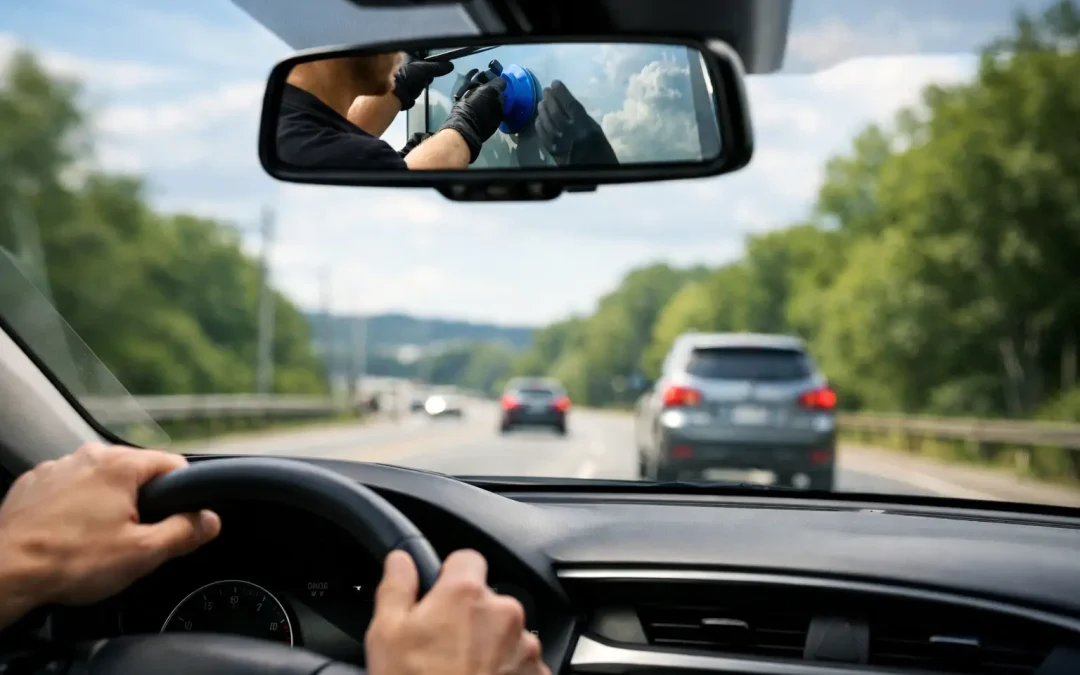
A new windshield can look ready the moment it is installed, but safe driving after glass replacement is about more than clear visibility. The adhesive holding that windshield in place needs time to cure, and vehicles with driver-assistance features may also need calibration before their safety systems can be trusted. Knowing when to drive, what to avoid, and what to check helps protect everyone in the vehicle.
For drivers in Humble and across Harris County, the right answer is not always a simple number of minutes. Your technician should give you a specific safe drive-away time based on the vehicle, the glass installed, the adhesive used, and the weather conditions at the time of service.
Why the First Hours Matter After Windshield Replacement
A windshield is not just a piece of glass that keeps rain and road debris out of the cabin. On many vehicles, it contributes to roof strength and helps support proper airbag performance in a collision. That is why precision installation and adhesive cure time matter.
During replacement, the technician prepares the vehicle frame, applies the correct urethane adhesive, and positions the glass carefully. The urethane must develop enough strength to hold the windshield securely under normal driving conditions and, more importantly, during a crash. Heat, humidity, adhesive type, and the vehicle itself can all affect how long that process takes.
A reputable installer does not guess. They follow the adhesive manufacturer’s safe drive-away specifications and explain the timing before handing the vehicle back. In warm, humid Texas weather, cure conditions can be favorable, but that does not mean every job has the same release time. Cool temperatures, rain, or a vehicle with specific manufacturer requirements can change the recommendation.
Safe Driving After Glass Replacement Begins With Drive-Away Time
Before you leave, ask one direct question: “What time is my vehicle safe to drive?” The answer should be clear and specific. It is not enough to hear that the job is finished.
Until that time has passed, avoid driving unless your technician tells you otherwise. Do not assume a short trip is harmless because the windshield appears firmly seated. Adhesive strength is not visible from outside the vehicle.
Once the approved drive-away time has passed, normal local driving is typically fine. Still, the first day is a good time to treat the vehicle with a little extra care. Avoid rough roads when possible, do not slam doors, and leave any retention tape in place for as long as your installer recommends. Tape is often used to keep trim and molding stable while the adhesive continues curing. Removing it early can affect fit and finish.
If you need to wash the vehicle, use caution. Many installers recommend waiting at least 24 hours before a high-pressure car wash because forceful water can disturb fresh moldings or reveal a seal issue before materials have fully settled. Gentle rain is usually not a problem, but follow the instructions provided for your specific installation.
Do Not Skip ADAS Windshield Calibration
If your vehicle has a camera or sensor mounted near the rearview mirror, windshield replacement may require Advanced Driver Assistance Systems, or ADAS, calibration. This applies to many newer cars, trucks, and SUVs equipped with features such as forward collision warning, automatic emergency braking, lane departure warning, lane-keep assist, or adaptive cruise control.
Those systems rely on cameras and sensors being aimed correctly through the windshield. Even when the replacement glass is installed perfectly, the camera may need recalibration because its viewing position has changed by a very small amount. Small changes can create big problems when a system is expected to recognize lane markings, vehicles, or pedestrians at speed.
Calibration may be static, dynamic, or both. Static calibration is completed with specialized targets and equipment in a controlled setup. Dynamic calibration requires driving the vehicle under specific conditions so the system can relearn its reference points. The correct process depends on the make, model, and manufacturer procedure.
Do not rely on the absence of a warning light as proof that calibration is unnecessary. Some vehicles can store calibration-related faults, while others may not show an obvious warning even though safety features are not operating as intended. A qualified auto glass provider can identify whether calibration is required and verify that the process is completed correctly.
At NXT Auto Glass, windshield replacement and calibration are handled with the same focus on precise workmanship because clear glass alone is not the full safety standard for an ADAS-equipped vehicle.
Check These Details Before You Pull Away
A professional installation should feel finished, not rushed. Before leaving, take a moment to look over the work with the technician. You do not need to be an auto glass expert to notice the basics.
The windshield or window should sit evenly in its opening, with molding and trim properly aligned. The glass should be clean enough to see through clearly, without adhesive smears in your main field of vision. For a windshield replacement, make sure the rearview mirror, rain sensor covers, camera covers, and windshield wipers are installed and functioning as expected.
Inside the vehicle, check that the dashboard area is clean and that no loose trim pieces are present. For door glass, raise and lower the window before leaving if conditions allow. It should move smoothly, close fully, and seal against the weatherstrip without unusual grinding, rattling, or resistance.
You should also receive straightforward aftercare instructions. These should cover your safe drive-away time, when to remove any tape, whether to avoid car washes, and whether ADAS calibration was completed or scheduled. Clear answers are part of quality service.
What Is Normal and What Needs Attention
Some minor details after glass replacement are normal. A small amount of temporary tape, a faint new-material odor, or slightly different road noise while fresh moldings settle may occur. What is not normal is wind whistling that persists, visible gaps around the glass, water entering the cabin, loose exterior trim, or a window that will not operate correctly.
Pay attention after the first rain or after washing the vehicle. Moisture around the windshield, headliner, dashboard, door panel, or floor mats can indicate a leak. Address it promptly rather than waiting for water damage, mildew, or electrical problems to develop.
For vehicles with ADAS, watch for warning messages, disabled driver-assist features, or behavior that seems inconsistent after replacement. If lane guidance, collision warnings, or cruise-control functions appear unavailable, do not ignore the issue. Schedule an inspection or calibration check before relying on those features.
A windshield can also develop stress cracks after installation if there is an underlying issue with the glass, vehicle frame, or installation conditions. Contact the installer if a crack appears without a clear impact point. A responsible shop should inspect the concern and explain the next step rather than leaving you to sort it out alone.
Side, Rear, and Sunroof Glass Have Different Considerations
Not every glass replacement has the same cure-time and calibration requirements. A side window replacement may allow you to drive sooner than a windshield replacement, but the vehicle should not be released until the glass is secure, the window regulator operates properly, and broken glass has been removed from the door and cabin.
Rear glass may include defroster connections, antennas, or camera-related components that need testing. A sunroof replacement requires particular attention to sealing, panel alignment, and drainage. With any of these repairs, follow the technician’s directions about opening the glass, washing the vehicle, or exposing it to heavy rain.
The practical rule is simple: treat the service instructions for your vehicle as more important than general advice found online. The correct timeline depends on the exact repair and how your vehicle is equipped.
Choose Installation Quality Over the Fastest Promise
Fast service is valuable when a broken windshield or window disrupts your day. But fast should mean efficient scheduling and skilled work, not cutting corners on preparation, cure time, or calibration. A replacement completed at your home or workplace can be convenient, provided the technician has a suitable work area and follows the same installation standards used in a shop.
Ask about the glass quality, adhesive system, warranty, and calibration process before approving the work. These questions are not unnecessary details. They help you understand what protects your visibility, your vehicle’s safety systems, and the people riding with you.
When the work is complete, take the recommended wait time seriously, keep the first day gentle on the vehicle, and speak up quickly if something does not look or feel right. That little bit of care gives your new glass the best chance to perform exactly as it should when the road demands it.