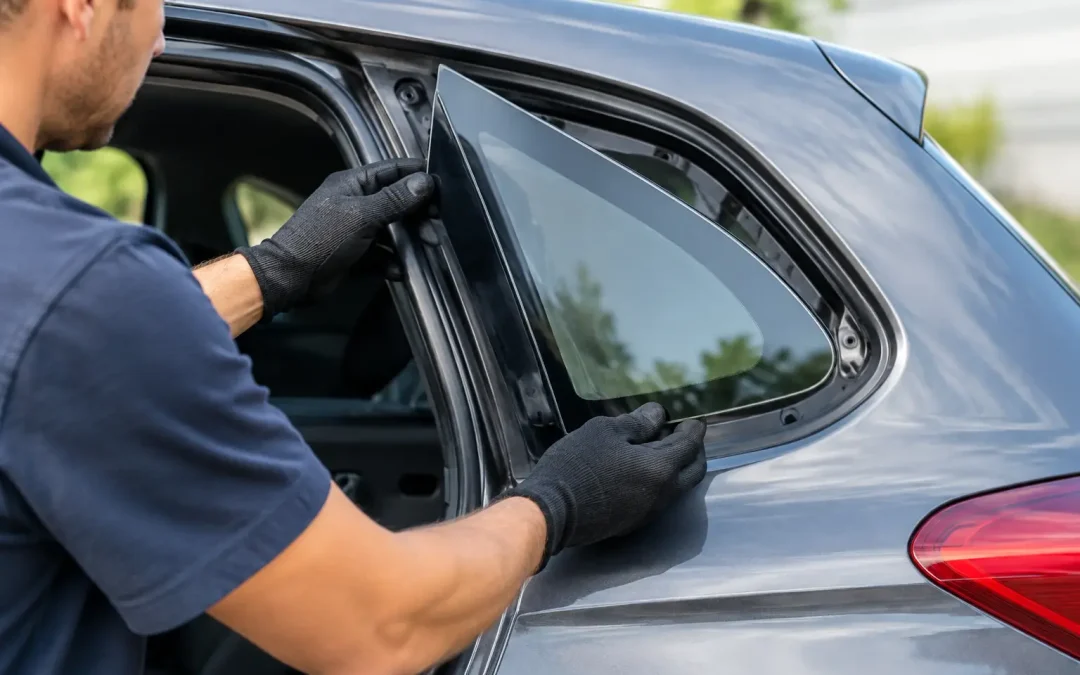
A broken rear side window can turn a normal drive into an urgent problem. Quarter glass replacement restores the small fixed window found behind the rear door glass or near the cargo area, protecting your vehicle from weather, theft, road noise, and loose glass. Because this piece is fixed in place rather than operated by a window regulator, it has its own removal and installation requirements.
For drivers in Humble and throughout Harris County, the right response is usually faster than expected: secure the vehicle, remove loose glass safely, and have the damaged panel replaced with the correct glass and seals. The key is not just getting new glass into the opening. It is making sure the replacement fits properly, seals correctly, and leaves the surrounding trim and vehicle body protected.
What Is Quarter Glass?
Quarter glass is the small, stationary window positioned behind the rear passenger door on many sedans, coupes, SUVs, vans, and hatchbacks. On some vehicles, it is a triangular panel beside the rear seat. On others, it is a larger fixed side window near the back of the cargo area.
It may look like a minor part of the vehicle, but it does several important jobs. Quarter glass improves side and rear visibility, helps keep the cabin sealed from rain and wind, and contributes to the finished structure of the vehicle body. Many newer models also use privacy glass, antenna connections, defroster elements, or specialized moldings in this area. That is why a proper match matters.
Unlike a door window, quarter glass cannot simply be raised or lowered out of harm’s way. Once it breaks, the opening is exposed until it is professionally secured and replaced.
When Quarter Glass Replacement Is Necessary
Replacement is normally the only safe option for a shattered or cracked quarter window. Auto glass repair works well for small chips in certain windshield areas, but fixed side glass is typically tempered glass. Tempered glass is designed to break into many small pieces rather than large sharp shards. Once it is cracked or damaged, it cannot be repaired back to its original strength.
A replacement is commonly needed after a break-in, vandalism, an accident, debris impact, or a falling object. Sometimes the glass breaks without an obvious impact because of stress around the mounting area or damage to surrounding trim. Regardless of the cause, waiting can create bigger problems. Rain can reach interior panels and electronics, dirt can collect in the opening, and unsecured glass fragments can damage seats, door panels, and cargo-area trim.
Even if the glass is still largely in place, avoid assuming it is safe because the crack seems small. Side glass can fail suddenly, especially with vibration, changing temperatures, or a slammed door. A technician can inspect the panel and tell you whether the damage calls for immediate replacement.
Why Correct Fitment Matters
The visible glass is only one part of the job. Quarter glass replacement often involves clips, moldings, weatherstrips, urethane adhesive, interior trim, and careful cleanup of the damaged area. On many vehicles, the panel is bonded directly to the body. Removing it without damaging paint, trim, or the mounting surface requires the right tools and a controlled process.
A poor installation can lead to water leaks, wind noise, loose moldings, or a panel that does not sit flush with the body. Those issues may not be obvious when the vehicle is parked, but they become clear during a rainstorm or at highway speed. Water intrusion is particularly frustrating because it can soak carpets, create odors, and affect electrical components over time.
Quality workmanship also means using glass made for your vehicle’s exact year, make, and model. The right replacement should match the original as closely as possible in shape, tint, curvature, and features. If the vehicle has factory privacy glass or attached components, those details should be confirmed before installation rather than guessed at once the job has started.
The Installation Process, Explained Clearly
The process begins with identifying the correct replacement glass and inspecting the surrounding body panel. A technician checks for damaged trim, bent metal, compromised clips, and glass fragments that may have traveled into the door, seat area, or cargo compartment.
Next, the broken glass and old adhesive are carefully removed. The mounting surface is cleaned and prepared so the new panel can bond correctly. Fresh automotive-grade adhesive or the appropriate factory-style mounting components are used, depending on the vehicle design.
The new quarter glass is positioned precisely, then the technician verifies its alignment and the condition of its moldings and seals. Cleanup is not an afterthought. Remaining glass pieces should be removed from accessible areas to help protect passengers, tires, and interior surfaces. If adhesive is used, the vehicle may need a specific safe drive-away time before it should be driven.
Can You Drive With Broken Quarter Glass?
You may be able to move the vehicle a short distance, but driving with broken quarter glass is not a good long-term plan. The open area makes it easy for rain, dust, and road debris to enter the cabin. It also leaves the vehicle vulnerable to theft and can make passengers uncomfortable or unsafe around loose glass.
If you must move the vehicle before service, keep passengers away from the broken side, avoid high speeds when possible, and do not attempt to force loose pieces back into place. Covering the opening temporarily can help keep out weather, but tape and plastic are only short-term protection. They do not restore security or create a reliable seal.
For many drivers, mobile service is the most practical option after a break-in or sudden damage. Having the work completed where the vehicle is parked can save a tow, avoid exposing the cabin during travel, and get you back to normal faster.
Insurance, Cost, and Your Best Next Step
The cost of replacing quarter glass depends on the vehicle, the size and style of the panel, tint or special features, and the condition of nearby moldings. Luxury vehicles, curved glass, and panels with integrated components can cost more than a basic fixed window. The most accurate way to plan is to request a quote using your vehicle information and describe what happened.
Comprehensive auto insurance may cover broken side glass caused by vandalism, theft, storm damage, or an accident, subject to your deductible and policy terms. Before filing a claim, compare the deductible with the estimated replacement cost. In some cases, paying directly may be simpler. A local auto glass specialist can provide the documentation and details you need to make an informed decision.
Do not delay because you are concerned that the repair will be complicated. NXT Auto Glass helps drivers understand the glass needed, the expected timing, and what the installation involves before work begins. Clear communication matters when your vehicle has been left exposed.
Protecting Your Vehicle After Replacement
Once the new glass is installed, follow any curing instructions provided by the technician. Avoid washing the vehicle or disturbing exterior moldings until the adhesive has had adequate time to set. If you notice wind noise, moisture, or a loose trim piece afterward, report it promptly so it can be inspected.
A properly replaced quarter window should look clean, sit evenly, and restore the quiet, weather-tight cabin you expect from your vehicle. More importantly, it should let you lock up, drive, and park with confidence again. When side glass damage interrupts your day, choosing careful replacement work is the simplest way to protect both your vehicle and your peace of mind.