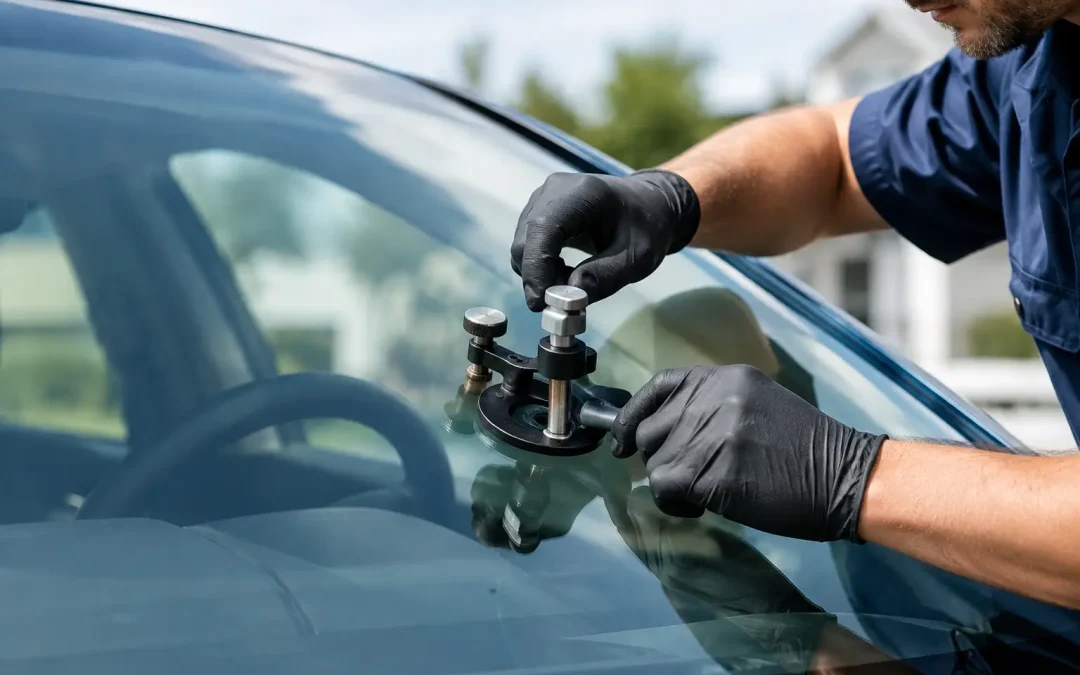
A windshield chip may look small, but it can leave drivers asking a fair question: are windshield repairs permanent? A professionally completed repair is designed to be a long-lasting solution, not a temporary patch. Still, its durability depends on the type of damage, where it sits on the glass, how soon it is repaired, and the quality of the work.
For many Harris County drivers, a timely repair prevents a chip from spreading into a crack that requires full windshield replacement. The goal is simple: restore strength to the damaged area, improve visibility, and help you avoid a more expensive repair later.
Are Windshield Repairs Permanent in Every Situation?
A quality windshield repair can last for the remaining life of the windshield. During the process, a technician removes air and moisture from the damaged area and injects a clear, high-strength resin. That resin is cured with ultraviolet light, bonding the damaged layers of glass together and helping stop the crack or chip from growing.
That does not mean every repair produces invisible glass or makes every kind of damage safe to repair. A repaired spot may remain faintly visible, especially if dirt entered the break before service. The purpose of the repair is structural stabilization first and appearance second.
The honest answer is that windshield repairs are permanent when the damage is a good candidate and the repair is done correctly. If the damage is too large, too deep, contaminated, or located in a safety-sensitive area, replacement is the more dependable long-term option.
What Makes a Windshield Repair Last?
Windshields are not ordinary pieces of glass. They are laminated safety glass, made with two layers of glass bonded around a clear plastic layer. This construction helps keep the windshield together during an impact, but it also means damage should be evaluated with care.
The damage type and size matter
Small rock chips, bullseyes, star breaks, and short cracks are often repairable. The exact limit depends on the shape, depth, and location of the damage, not just a single measurement. A chip with several long legs, a deep break that reaches the inner glass layer, or a crack that continues to spread may not hold up reliably after repair.
A crack can grow quickly in Texas heat. Parking outside in Humble, driving over uneven roads, or running the air conditioner against a hot windshield all create temperature and pressure changes that stress the glass. What was repairable in the morning may be a replacement job after several days of driving.
Location can change the recommendation
Damage directly in the driver’s primary viewing area deserves special attention. Even when resin stabilizes the glass, a repaired spot can leave slight distortion or light reflection that affects visibility. A qualified technician may recommend replacement when a repair would interfere with a clear view of the road.
Damage near the windshield edge is also more concerning. The outer edge carries significant stress, and cracks in that area are more likely to spread. On newer vehicles, the windshield also supports cameras and sensors used for driver-assistance features, which makes proper repair or replacement decisions even more important.
Fast action protects the repair
Clean, fresh damage has the best chance of a strong repair. Once water, dust, road grime, glass cleaner, or moisture gets inside a chip, it can be difficult to remove completely. That contamination can affect how clear the repair looks and how well the resin bonds.
If a rock strikes your windshield, cover the damaged spot with clear tape if it is safe to do so. Avoid washing the vehicle, avoid blasting the defroster or air conditioner directly at the glass, and arrange an inspection soon. Do not use household glue, nail polish, or an unproven DIY fix. These materials can trap contamination and make a professional repair less effective.
Why a Proper Repair Is More Than Cosmetic
A windshield does more than block wind and bugs. It contributes to the vehicle’s structural integrity and can support proper airbag deployment in a collision. The windshield is also a mounting surface for rearview mirrors, rain sensors, forward-facing cameras, and other equipment.
A properly repaired chip helps preserve the glass before the damage expands. It can save the original windshield, which is often preferable when the glass is otherwise in good condition. Keeping the factory windshield may also avoid the cost and downtime of replacement.
However, saving the original glass should never take priority over safety. A repair is not the right answer if the break compromises the driver’s view, reaches critical areas, or cannot be stabilized with confidence. Clear recommendations matter more than forcing a repair that is unlikely to last.
When Windshield Replacement Is the Better Choice
Replacement becomes the smarter option when a repair cannot restore dependable strength and visibility. Common reasons include a long or spreading crack, damage that reaches the edge of the windshield, a break in the driver’s direct line of sight, or damage that penetrates deeply enough to affect the inner layer.
Multiple chips can also change the decision. One small chip may be easy to repair, but several impact points can weaken a larger section of the windshield. The same is true for old damage that has collected dirt and moisture over time.
For vehicles equipped with ADAS features, windshield replacement requires additional care. Cameras behind the windshield may support lane departure warnings, automatic emergency braking, adaptive cruise control, and other safety functions. After replacement, those systems may require windshield calibration so the camera can accurately read the road again. Skipping this step can leave safety features working incorrectly or not working at all.
At NXT Auto Glass, the right recommendation starts with the actual condition of your glass, not a one-size-fits-all answer. A careful inspection determines whether repair can safely preserve your windshield or whether replacement and calibration are the better investment.
Will a Repaired Windshield Crack Again?
The original repaired area should not continue to spread if it was a suitable repair and the resin bonded correctly. But a windshield can still develop new damage elsewhere from another rock strike, road debris, extreme weather, or vehicle vibration. Repairing one chip does not make the whole windshield immune to future damage.
There is also a difference between a repair failing and new damage occurring near an old repair. If a previously repaired crack begins to move again, have it inspected promptly. In some cases, a technician can assess whether additional work is possible. In others, the safest answer will be replacement.
A reputable shop should explain what result you can reasonably expect before beginning work. Be cautious of anyone who promises that all damage will disappear completely. High-quality repairs often look much better, but the amount of visual improvement varies with the break’s age, shape, and cleanliness.
How to Help Your Repair Hold Up
After professional service, normal driving is usually fine. The resin is cured during the repair, so there is typically no lengthy waiting period before you can use your vehicle. Still, treating the windshield with reasonable care is wise.
Avoid slamming doors unnecessarily, especially during extreme heat or cold. Try not to direct very hot or very cold air at the repaired area immediately after getting into the vehicle. Keep an eye on the spot for any visible change, and address fresh chips before they have time to spread.
Most importantly, do not wait for a small chip to become a windshield-wide crack. The best time to ask about repair is while the damage is still small, clean, and away from critical viewing or edge areas.
A quick inspection can give you a clear answer before a minor impact turns into a larger safety concern. When you notice new windshield damage, protecting the glass early is one of the simplest ways to protect your visibility, your budget, and your time on the road.