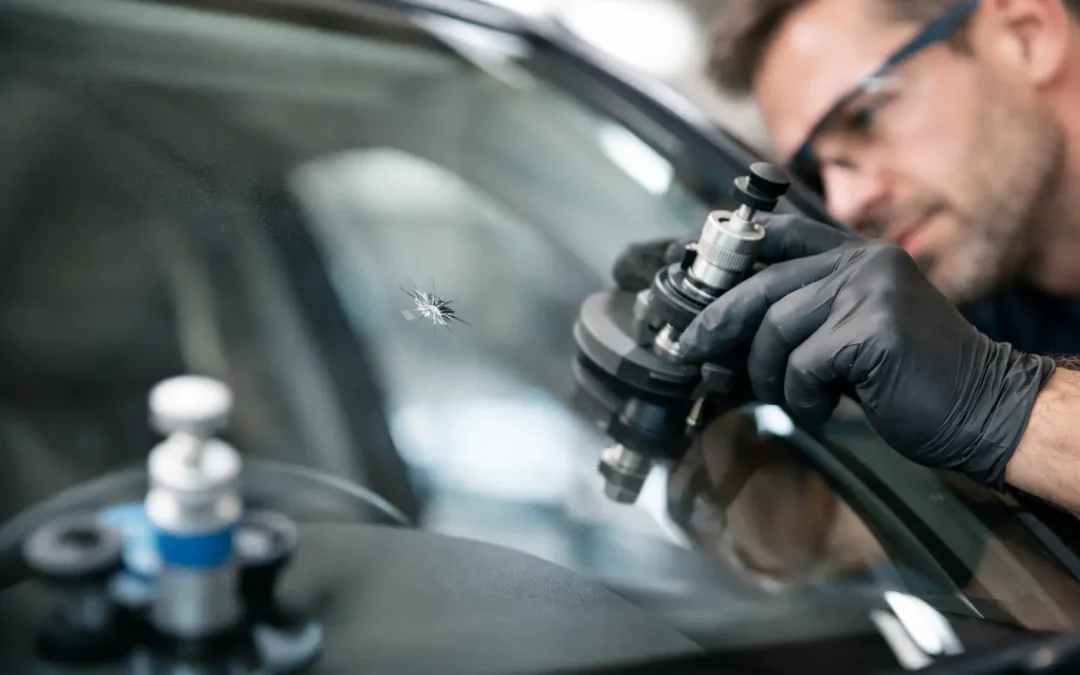
A pebble hits the glass on Highway 59, and what looked like a tiny mark suddenly catches the light every time you drive. The question is immediate: can a windshield chip be repaired before it turns into a crack? Often, yes. But the size, location, depth, and age of the damage determine whether a repair will restore the windshield safely or whether replacement is the better call.
For drivers in Humble and across Harris County, acting quickly usually makes the difference. Heat, road vibration, potholes, temperature changes, and even a hard door slam can cause a small chip to spread. A prompt professional inspection gives you a clear answer before a manageable repair becomes a larger expense.
Can a Windshield Chip Be Repaired?
Many windshield chips can be repaired when the outer layer of glass is damaged but the inner layer remains intact. Modern windshields are made from two layers of glass bonded around a plastic layer. That construction helps keep the windshield in place during a collision, protects occupants from outside debris, and supports the roof structure of the vehicle.
A professional repair involves cleaning the damaged area, removing air and moisture, and injecting a clear resin into the chip. The resin is cured with ultraviolet light, then leveled and polished. The goal is not always to make the damage disappear completely. The real goal is to restore structural integrity, reduce the visual distraction, and stop the damage from spreading.
A successful repair often leaves only a faint mark. In many cases, the chip becomes far less noticeable than it was before. More importantly, it is stabilized so normal driving conditions are less likely to turn it into a long crack.
Chips That Are Usually Good Repair Candidates
A chip is more likely to be repairable when it is relatively small, has limited cracking around it, and is not directly in the driver’s primary viewing area. Common repairable damage includes bull’s-eyes, star breaks, combination breaks, and small surface pits caused by gravel or road debris.
As a practical rule, damage around the size of a quarter may be repairable, depending on its shape and depth. Short cracks may also be repairable in some situations. There is no single measurement that guarantees a repair, because the location and condition of the glass matter just as much as the visible size.
Fresh damage is generally easier to repair than old damage. Dirt, moisture, glass cleaner, and debris can work their way into an open chip over time. A qualified technician can often still repair an older chip, but a clean, recent break offers the best chance for a strong, clear result.
When Windshield Replacement Is the Safer Choice
Replacement is recommended when damage affects the windshield’s safety or your ability to see the road clearly. If the chip has spread into a long crack, reaches the edge of the windshield, penetrates deeply, or sits directly in front of the driver, repair may not be appropriate.
Edge damage deserves special attention. The perimeter of the windshield carries stress and helps the glass stay properly bonded to the vehicle frame. A crack or chip near that area can spread quickly and may compromise the windshield’s strength.
Damage located in the driver’s line of sight can also require replacement, even if it is small. Resin can improve a chip, but it may leave a slight distortion. Any remaining visual imperfection in the area you look through most often can be distracting, especially at night, in rain, or with oncoming headlights.
If the inner layer of the laminated windshield is damaged, replacement is normally necessary. The same is true when there are multiple chips across the glass or prior repairs have failed. A professional inspection is the safest way to avoid guessing.
Why Waiting Can Turn a Chip Into a Crack
Texas weather is tough on auto glass. A windshield can heat up quickly in a parking lot, then cool rapidly when the air conditioner is turned on. That temperature shift causes the glass to expand and contract. A chip creates a weak point where stress can concentrate.
Road conditions add more pressure. Daily commuting, construction zones, uneven pavement, and vibration all work on damaged glass. A windshield chip that seems stable in the morning can become a crack by the end of the day.
Waiting also affects repair quality. Once moisture and contaminants enter the break, it becomes harder to achieve the cleanest possible result. Covering the chip with clear tape can help keep dirt and water out temporarily, but it is not a repair. Avoid pressing on the damage, washing the windshield with high-pressure water, or applying a store-bought kit before a technician evaluates it. DIY kits can be useful in limited situations, but incorrect application can trap debris or make professional repair more difficult.
What to Expect From Professional Windshield Chip Repair
The repair process is usually straightforward and often takes less time than drivers expect. First, the technician examines the chip to determine whether it can be repaired safely. The glass is cleaned, loose fragments are removed, and a specialized bridge tool is positioned over the damaged area.
Clear repair resin is then placed under controlled pressure and vacuum cycles to fill the break. Ultraviolet light hardens the resin, and the surface is finished smooth. A properly completed repair is designed to prevent the damage from spreading while preserving as much of the original factory windshield as possible.
Keeping the original windshield has real benefits. Factory-installed glass and urethane bonding are already matched to your vehicle, so repair can be a cost-effective option when the damage qualifies. It also avoids the time and expense of a full replacement.
Still, repair is not the right answer simply because it costs less. The correct decision is the one that protects visibility and vehicle safety. A reputable auto glass specialist should explain why a chip qualifies for repair or why replacement is recommended, without pressuring you into work your vehicle does not need.
ADAS Makes Windshield Decisions More Important
Many newer vehicles have advanced driver-assistance systems, or ADAS, including forward collision warning, automatic emergency braking, lane departure warning, and lane-keeping assistance. Cameras and sensors for these features are often mounted near the windshield.
A small repair that stays outside the camera’s viewing area may not affect those systems. But when a windshield must be replaced, proper calibration may be required so the vehicle’s cameras and safety features read the road accurately again. This is not an optional finishing step. Calibration confirms that the vehicle’s driver-assistance technology is aligned after glass installation.
That is why choosing an auto glass provider with both replacement and calibration capability matters. NXT Auto Glass can assess the glass damage, complete the appropriate repair or replacement, and address calibration needs when your vehicle requires it. The result is a clearer path from damage assessment to a properly restored vehicle.
How to Protect a Chip Until It Is Repaired
If you notice a fresh chip, schedule an inspection as soon as possible. Until then, keep the area dry and cover it with a small piece of clear tape if it is clean and dry. This helps prevent dust and moisture from entering the break.
Try to park in the shade when possible, avoid blasting the defroster or air conditioner directly at the damaged area, and leave extra distance behind trucks that may throw gravel. These steps cannot guarantee the chip will not spread, but they reduce unnecessary stress on the glass.
Insurance may also help. Many comprehensive auto policies cover windshield repair with little or no deductible because repairing a chip can prevent a more expensive replacement claim. Coverage varies, so check your policy and ask your auto glass professional for help understanding the repair options available to you.
A Small Chip Deserves a Clear Answer
A windshield chip is easy to dismiss until it spreads across your field of view. The best next step is simple: have it inspected while it is still small. Whether repair is possible or replacement is safer, a clear recommendation from a qualified local technician helps you protect your visibility, your vehicle’s safety systems, and your peace of mind on every drive.