A rock chip on the Sam Houston Parkway can look minor in the morning and become a spreading crack by the afternoon. When drivers call about windshield repair versus replacement, the real question is not simply which option costs less. It is which option safely restores clear visibility, protects the vehicle’s structure, and prevents a small problem from becoming a larger one.
The right answer depends on the damage itself, where it sits on the glass, and the technology built into your vehicle. A qualified inspection takes only a short time, but it can make a major difference in the safety and longevity of the repair.
Why the Decision Matters for Your Safety
Your windshield does far more than block wind, rain, and road debris. It contributes to the strength of the passenger cabin and helps support the roof during a rollover. On many vehicles, it also provides a surface that supports proper airbag deployment.
A damaged windshield may compromise your view of the road, especially when sunlight, headlights, or rain hit the affected area. A crack can also continue moving as temperatures change. Houston-area heat is particularly hard on damaged glass: a hot windshield, cold air conditioning, a sudden storm, or a hard door close can turn a short crack into a much longer one.
That is why the best decision is based on safety and repairability, not just appearance. Repair is often an excellent option when the damage is limited. Replacement becomes the responsible choice when the glass can no longer be restored with confidence.
When Windshield Repair Is the Smart Choice
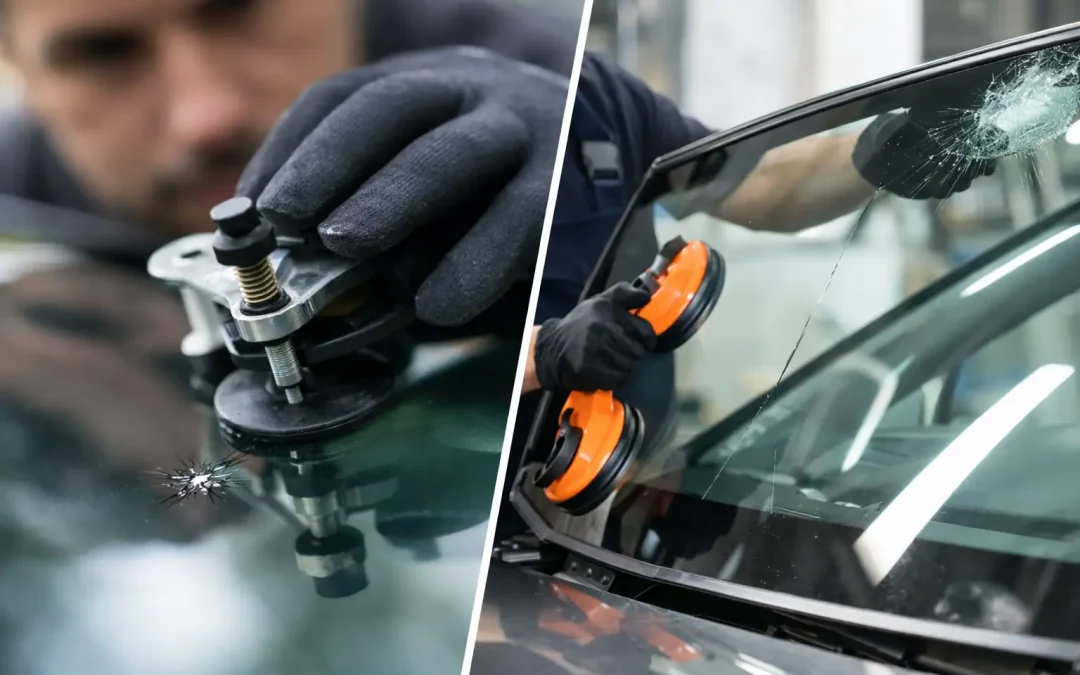
Windshield repair is designed to stabilize damage before it spreads. A technician injects a specialized resin into the chip or small crack, then cures and polishes it. The goal is to reinforce the glass, reduce the visual effect of the damage, and keep moisture and debris from working deeper into the break.
Repair is often possible when a chip is relatively small, a crack is short, and the damage is limited to the outer layer of laminated windshield glass. A fresh chip is generally easier to repair than one that has been exposed to rain, car washes, dirt, and months of road vibration.
Location matters as much as size. Damage away from the driver’s direct line of sight is more likely to be a good repair candidate. Even if resin can fill an area in front of the driver, a remaining visual distortion may be distracting. A professional will also check whether the damage reaches the edge of the windshield, where the glass is under greater stress.
Repair can be a practical choice because it is usually quicker and less expensive than replacing the entire windshield. It also preserves the factory-installed glass when the damage can be safely stabilized. Still, a repair is not meant to make every chip invisible. Most quality repairs noticeably improve the appearance, but the primary benefit is stopping the damage from growing.
Do Not Wait for a Chip to Spread
If you have a chip, covering it with clear tape can help keep out dirt and water until it can be inspected. Avoid blasting the defroster or air conditioning directly onto the damaged area, and do not press on the glass from inside the vehicle. These small precautions can improve the chances that repair remains an option.
When Windshield Replacement Is the Safer Option
Replacement is generally recommended when the damage is too large, too deep, too close to the windshield edge, or directly in the driver’s critical viewing area. Long cracks are a common reason for replacement, especially when they have already spread across a significant portion of the glass.
A windshield also needs replacement if the inner layer of laminated glass is damaged or if there are multiple chips and cracks affecting the same area. Attempting to repair glass beyond its safe limits can leave you with distortion, continued cracking, or weakened protection when you need it most.
Replacement means removing the damaged windshield, preparing the frame carefully, and installing new glass with the correct adhesive system. The workmanship behind that process matters. Proper preparation and curing are essential to help the windshield bond correctly to the vehicle.
The quality of the glass selection matters, too. Depending on your vehicle and insurance coverage, there may be original-equipment, dealer, or high-quality aftermarket options. The best choice should match your vehicle’s required features, including rain sensors, heated glass, acoustic layers, heads-up display compatibility, and camera mounting provisions.
A replacement should never be rushed at the expense of safe installation. Your technician should explain when the vehicle can be driven after installation based on the adhesive used, weather conditions, and the manufacturer’s procedures.
Windshield Repair Versus Replacement for ADAS Vehicles
Many newer vehicles have advanced driver-assistance systems, or ADAS, mounted near the windshield. Forward-facing cameras can support features such as lane-departure warnings, automatic emergency braking, adaptive cruise control, traffic-sign recognition, and lane-centering assistance.
When a windshield is replaced on an ADAS-equipped vehicle, windshield calibration is often required. The camera may need to be recalibrated because even slight changes in the windshield position, glass thickness, camera bracket, or viewing angle can affect how the system reads the road.
Calibration is not an optional add-on when your vehicle manufacturer requires it. It is part of restoring the vehicle properly. Without it, safety features may not perform as intended, warning lights may remain on, or the system may give inaccurate information.
Whether calibration is needed after a repair depends on the vehicle, the damage location, and whether any camera-related components were disturbed. A trained auto glass specialist can identify the required procedure instead of making assumptions. NXT Auto Glass provides both precision windshield replacement and calibration support, helping local drivers avoid the inconvenience of coordinating separate services.
Cost, Insurance, and Mobile Service Considerations
Repair usually costs less than replacement because it uses less material and takes less time. Many insurance policies also encourage repair of qualifying chips, sometimes with little or no out-of-pocket cost. Coverage varies, so it is wise to confirm your deductible and glass coverage before authorizing work.
Replacement costs vary more widely. Vehicle make and model, windshield size, built-in technology, sensor features, glass availability, and calibration requirements all affect the final price. The lowest quote is not always the best value if it leaves out proper moldings, quality materials, safe-drive-away time, or required calibration.
Mobile service can make either solution easier for busy families, commuters, and working professionals in Humble and nearby Harris County communities. However, the work area still needs to be suitable. Heavy rain, high winds, excessive dust, or poor access may make a controlled shop setting the safer choice for an installation.
How a Professional Inspection Reaches the Right Answer
A reliable recommendation starts with looking closely at the damage, not guessing from a photo alone. The technician checks its size, shape, depth, location, age, and proximity to the windshield edge. They also look for contamination and signs that the crack has spread through multiple layers of glass.
For replacement, the inspection should include the vehicle identification information and its windshield features. This helps ensure the replacement glass is correct and identifies whether ADAS calibration is required. Clear communication matters here: you should understand what is being installed, why it is needed, and what to expect after the work is complete.
If a chip is safely repairable, acting quickly can save you money and preserve your original windshield. If replacement is the safer route, choosing careful installation and proper calibration gives you confidence that your vehicle is ready for the road again.
The next time road debris leaves a mark on your windshield, do not judge the damage by size alone. A prompt, hands-on inspection gives you a clear path forward and helps protect the people riding with you.