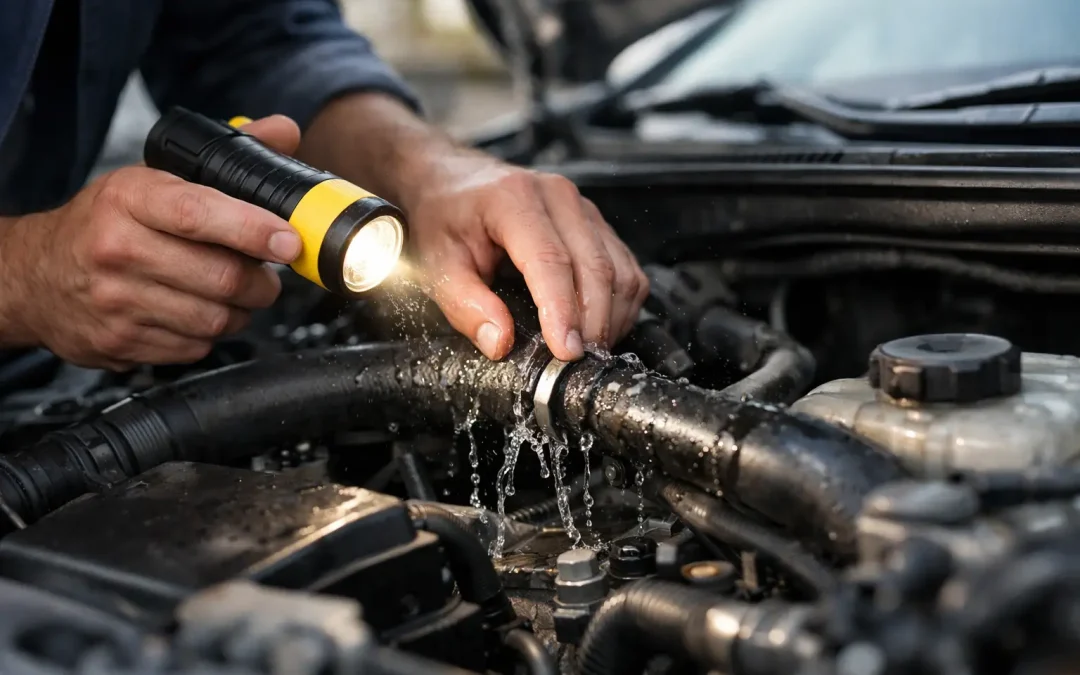
A damp carpet may seem like a minor inconvenience after a heavy Houston-area rainstorm, but it can quickly become a much larger problem. Professional water leak repair identifies where moisture is entering your vehicle, corrects the failed seal or drainage path, and helps protect the interior systems beneath the surface.
Water can travel a surprising distance before it reaches the floorboard, headliner, or trunk. That is why the wet spot you can see is not always the place where the leak began. A careful inspection matters more than simply applying sealant around the nearest piece of glass.
Why a Car Water Leak Needs Prompt Attention
Your vehicle’s interior contains more than seats and carpet. Modern cars have wiring, connectors, sensors, modules, sound insulation, and safety-related components tucked behind trim panels and under carpeting. When moisture gets into those areas, it can lead to corrosion, electrical issues, persistent odors, and mold growth.
For vehicles equipped with advanced driver-assistance systems, water intrusion can be especially concerning if it affects wiring or components around the windshield, roofline, or dashboard. A leak does not automatically mean a major repair is needed, but waiting can turn a manageable sealing issue into interior restoration work.
There is also a safety and comfort factor. Fogged windows, wet seat belts, musty air, and slick floor mats make daily driving less pleasant. In a humid climate like Humble and greater Harris County, a damp interior may not dry fully on its own between storms.
Common Sources of Vehicle Water Leaks
A vehicle can leak through several areas, and the right repair depends on the actual entry point. Windshield glass is a common suspect, particularly after an impact, a poorly completed prior installation, or deterioration around the glass opening. However, not every wet dashboard or front carpet means the windshield itself is leaking.
Windshield and Rear Glass Seals
Automotive glass is installed with specialized urethane adhesive, not household caulk. If the bond is compromised, water can pass between the glass and vehicle body. Signs may include water near the A-pillars, a wet headliner edge, wind noise at highway speed, or moisture collecting around the dashboard after rain.
A qualified technician evaluates the glass, molding, body flange, and adhesive bond before recommending a repair or replacement. In some cases, resealing is appropriate. In others, the glass must be removed so the opening can be properly prepared and sealed. The correct option depends on the condition of the existing installation and the surrounding metal.
Sunroof Drains and Seals
Sunroofs are designed with channels that collect water and drain it through tubes routed down the vehicle’s pillars. Leaves, dust, pollen, and debris can clog those drains. When that happens, water can overflow into the headliner and run down into the cabin.
A worn sunroof seal can contribute to the problem, but replacing the seal alone may not solve a blocked-drain issue. Proper service includes checking the sunroof assembly, clearing and testing drain paths, and inspecting for cracked or disconnected drain tubes.
Door Seals, Window Channels, and Vapor Barriers
Door weatherstripping helps keep rain outside, but water is also expected to enter the outer door shell through the window opening. The door is built to drain that water safely. If drain holes are blocked or an internal vapor barrier has separated, moisture can reach the door panel or carpet instead of exiting beneath the door.
This can be easy to miss because the glass may still move normally and the door may look fine from the outside. Water near one side of the cabin, especially after rain or a car wash, can point to a door-related issue.
Cowl, Firewall, and HVAC Drain Problems
The cowl area is located below the windshield, where fresh air enters the HVAC system. Debris can build up there and interfere with drainage. Water may then find its way into the blower area, passenger footwell, or dashboard.
The air-conditioning evaporator drain can create a similar symptom. If the passenger floor gets wet during hot weather even when it has not rained, condensation from the AC system may be the cause. That is different from a glass leak and requires a different diagnosis.
Trunk, Hatch, and Tail Light Leaks
Moisture in a trunk, cargo area, or spare-tire well often comes from hatch seals, rear glass, tail light gaskets, body vents, or seams around the rear of the vehicle. Because water naturally settles in low areas, a small leak can go unnoticed until the carpet is lifted or a musty smell develops.
Signs You May Need Water Leak Repair
The most obvious sign is wet carpet after rain. Still, many leaks show up in quieter ways. Pay attention to a recurring mildew smell, unexplained window fogging, water stains on the headliner, damp seat belts, or condensation inside the vehicle after it has been parked.
Electrical symptoms deserve attention as well. A power window acting inconsistently, unexplained warning lights, a malfunctioning audio system, or a nonworking interior light may have several possible causes, including moisture near wiring. The leak should be diagnosed before replacing electrical parts that may fail again if water continues entering the vehicle.
If you notice standing water, remove personal items and avoid leaving absorbent materials inside. Blotting the area can reduce immediate moisture, but it does not replace a professional inspection or thorough drying process.
How Professional Water Leak Repair Finds the Real Problem
Effective diagnosis is methodical. A technician first examines the pattern of moisture, the condition of glass and weatherstripping, and any visible damage around trim, roof openings, doors, and the rear cargo area. Interior panels may need to be carefully moved to trace water paths without damaging clips, airbags, wiring, or upholstery.
Controlled water testing is often the next step. Water is applied in specific areas while the interior is monitored for entry. This approach is far more reliable than guessing based on where the carpet is wet. For difficult leaks, the technician may also inspect drainage channels, seams, and components that are hidden beneath trim.
Once the source is confirmed, the repair can be targeted. That may involve resealing or reinstalling glass, correcting a sunroof drain issue, replacing damaged weatherstripping, restoring a door vapor barrier, or addressing a related glass component. The best repair is not always the fastest-looking one. It is the one that restores the intended water-management design of the vehicle.
Why DIY Sealant Often Creates More Trouble
It is understandable to reach for a tube of silicone when water appears around a windshield or sunroof. The problem is that sealant placed over the wrong area can trap water, block designed drain channels, damage trim, and make later professional repairs more difficult.
Windshield leaks are particularly sensitive because auto glass installation affects structural support, visibility, and, on many newer vehicles, camera and sensor performance. If glass must be removed or replaced, the work should be completed with the right materials and procedures. Vehicles with forward-facing windshield cameras may also need ADAS calibration after windshield replacement so driver-assistance features can operate as intended.
A temporary measure can make sense if you are trying to limit exposure before an appointment, but it should not be mistaken for a lasting repair. Keep the vehicle covered when possible and arrange an inspection as soon as you can.
Protecting Your Interior After the Leak Is Fixed
Stopping the entry point is the first priority, but drying the vehicle matters too. Moisture can remain under carpet padding, inside insulation, and beneath trim long after surfaces feel dry. Depending on how much water entered and how long it remained, drying may include lifting carpet sections, using air movement, and checking hidden areas for residual moisture.
After the repair, monitor the vehicle through the next rainstorm or car wash. Check the previously affected area, smell the interior, and watch for new fogging. A reputable auto glass specialist should explain what was found, what was repaired, and whether any interior drying or additional service is recommended.
For drivers in Humble and nearby Harris County communities, NXT Auto Glass provides clear, careful help with automotive glass-related leaks, sunroof concerns, and the surrounding components that affect a dry, safe cabin. The right time to address a leak is before one rainy commute becomes a damaged interior. If your vehicle is showing signs of moisture, have the source checked while the repair can still stay focused and straightforward.