A windshield crack can feel like a minor inconvenience until sunlight catches it during a morning commute or a passing truck sends a small chip across your field of view. This complete windshield replacement guide explains what Harris County drivers should expect, from deciding whether replacement is necessary to understanding the safety work that happens after new glass is installed.
Your windshield does much more than block wind and rain. It supports the roof structure, helps airbags deploy as designed in many vehicles, and provides a clear view of the road. On newer vehicles, it can also hold cameras and sensors that power driver-assistance features. That is why the quality of the glass, adhesive, installation, and calibration all matter.
When a Windshield Needs Replacement Instead of Repair
A repair is often the better value when damage is small, shallow, and away from the driver’s direct line of sight. A chip that is addressed quickly may be stabilized before dirt, moisture, and temperature changes make it spread.
Replacement is usually the safer choice when a crack is long, reaches the edge of the windshield, or sits where it interferes with the driver’s vision. Damage near the edge can weaken the entire glass panel because the windshield is most vulnerable there. Multiple chips, deep impact damage, and cracks that have spread through more than one layer of glass can also make repair unreliable.
The location matters as much as the size. Even if a chip looks small, a repair in the primary viewing area may leave visual distortion. A qualified technician should inspect the damage and explain the practical choice rather than automatically recommending the more expensive service.
Do not wait too long to make that call. Texas heat, sudden rain, road vibration, and the stress of running the air conditioner can all turn a manageable chip into a full crack. Covering a fresh chip with clear tape can help keep out dust and water until it can be inspected, but it is only a temporary measure.
Complete Windshield Replacement Guide: What Happens at the Appointment
A professional replacement begins with confirming the correct glass for your vehicle. Windshields are not interchangeable simply because they look similar. The right part may need specific features such as a rain sensor mount, acoustic glass, heating elements, a heads-up display area, antenna connections, or camera brackets for advanced driver-assistance systems.
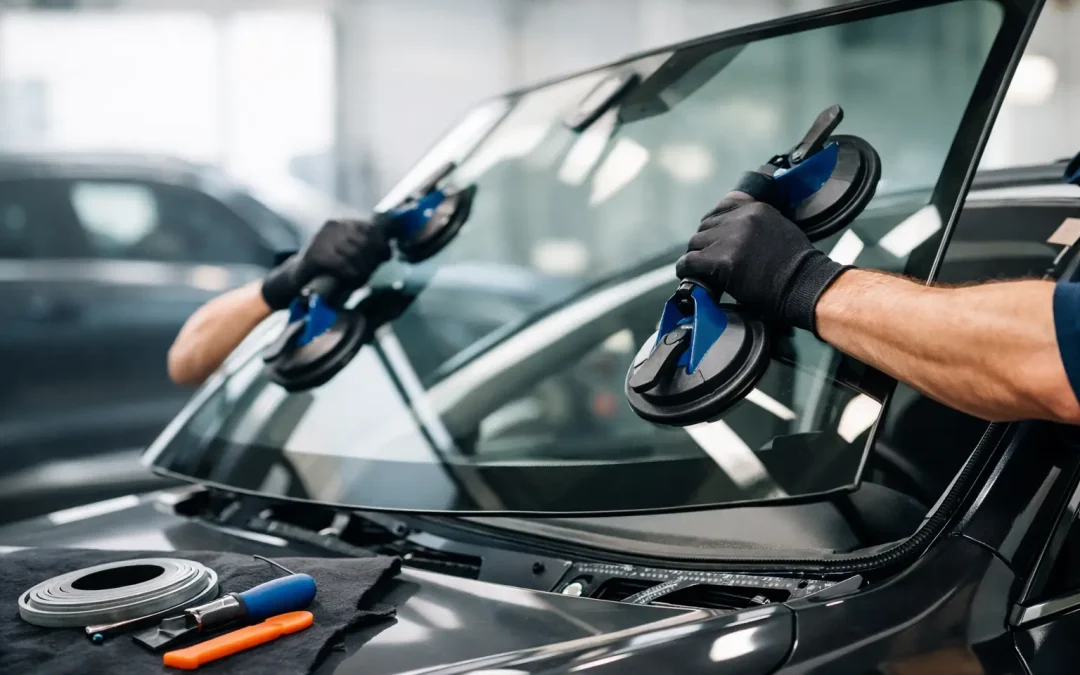
The technician then protects the vehicle’s paint, dashboard, and interior before carefully removing the damaged windshield. Proper removal is a precision step. Cutting out old urethane adhesive without damaging the body pinchweld helps prevent future water leaks, corrosion, and fitment problems.
After removal, the frame is inspected and prepared. Any rust, debris, or damaged mounting area needs attention before the replacement glass goes in. Fresh automotive-grade urethane is applied according to the manufacturer’s requirements, and the new windshield is set into position with the correct alignment and pressure.
The adhesive needs time to cure. This is not a detail to overlook. Safe drive-away time depends on the adhesive used, temperature, humidity, and vehicle requirements. Your technician should give you clear instructions on when the vehicle can be driven and what to avoid immediately afterward, such as slamming doors, removing retention tape too soon, or taking the vehicle through a high-pressure car wash.
A careful installer will also check the windshield molding, sensors, wipers, and glass fit before returning the vehicle. The goal is not simply to install a new piece of glass. It is to restore a weather-tight, secure windshield that performs as intended.
Why ADAS Calibration May Be Required
Many late-model vehicles have a forward-facing camera mounted near the rearview mirror. That camera may support features such as lane departure warnings, lane-keeping assistance, automatic emergency braking, adaptive cruise control, traffic-sign recognition, or forward collision alerts.
When the windshield is replaced, even a correctly installed camera can need recalibration. The camera’s viewing angle and reference point may change slightly with the new glass. Without proper calibration, an ADAS feature may react too late, too early, or inconsistently. A dashboard warning light is one sign that calibration is needed, but the absence of a warning does not always mean the system is properly aligned.
There are two common methods. Static calibration is performed in a controlled setting using targets and diagnostic equipment. Dynamic calibration is completed by driving the vehicle under specified road conditions while the system relearns its references. Some vehicles require one method, while others require both.
This work should be verified and documented. NXT Auto Glass can handle windshield replacement and calibration needs, helping local drivers avoid the inconvenience of coordinating glass work with a separate calibration provider. Before approving service, ask whether your vehicle requires calibration and how completion will be confirmed.
Mobile Service or Shop Service: Which Is Right?
Mobile windshield replacement is a practical option when your car is parked safely at home or work and the weather is suitable. It can save time for busy families, commuters, and professionals who cannot easily rearrange their day around a shop visit.
However, mobile service is not always the right fit. Heavy rain, high winds, limited workspace, or an unsafe parking location can affect installation conditions. Vehicles requiring static ADAS calibration may also need to be brought to a properly equipped facility. A dependable auto glass professional will be upfront about these limitations rather than rushing an installation in conditions that could compromise the result.
The best choice depends on your vehicle, your location, and the work required. Convenience matters, but safety and installation quality should come first.
Understanding Cost, Insurance, and Glass Options
Windshield replacement pricing varies because vehicles and windshields vary. A basic windshield for an older vehicle may cost less than glass for a newer model with cameras, sensors, acoustic layers, heating elements, or special tinting. Labor, molding, corrosion repair, and calibration can also affect the final estimate.
Ask for an estimate that explains what is included. You should know whether the price covers the windshield, installation materials, disposal of the old glass, moldings or clips if needed, and ADAS calibration. Clear pricing helps you compare services fairly.
Comprehensive auto insurance may cover windshield damage, subject to your deductible and policy terms. If the replacement cost is close to or below your deductible, paying directly may make more sense. If you use insurance, confirm whether the policy has glass-specific coverage, whether you can choose your glass provider, and whether calibration is included when required.
You may also be asked to choose between original equipment manufacturer glass and high-quality aftermarket glass. OEM glass is made to the vehicle manufacturer’s specifications and may be preferred for certain vehicles or insurance requirements. Quality aftermarket glass can be a cost-conscious option when it meets applicable safety standards and fits the vehicle correctly. The right choice depends on availability, vehicle features, budget, and insurer guidelines.
How to Protect Your New Windshield
For the first day or two, follow the technician’s care instructions closely. Leave any retention tape in place for the recommended period, avoid car washes, and do not slam the doors. If possible, crack a window slightly before closing a door to reduce pressure inside the cabin while the urethane continues to cure.
Afterward, inspect the area around the windshield after heavy rain or a car wash. If you notice wind noise, moisture, loose trim, or a warning light related to safety systems, contact the installer promptly. Those issues are easier to address early.
You can reduce the chance of future damage by keeping a safe following distance behind construction vehicles and trucks, avoiding sudden blasts of hot or cold air directly onto a chipped windshield, and replacing worn wiper blades. Worn blades can trap grit and scratch glass over time.
A windshield replacement should leave you with more than clearer glass. It should give you confidence that your vehicle’s visibility, structural protection, and driver-assistance features have been handled with the care they deserve. If a crack is spreading or your view is compromised, getting a professional inspection now is the simplest way to protect the next mile you drive.