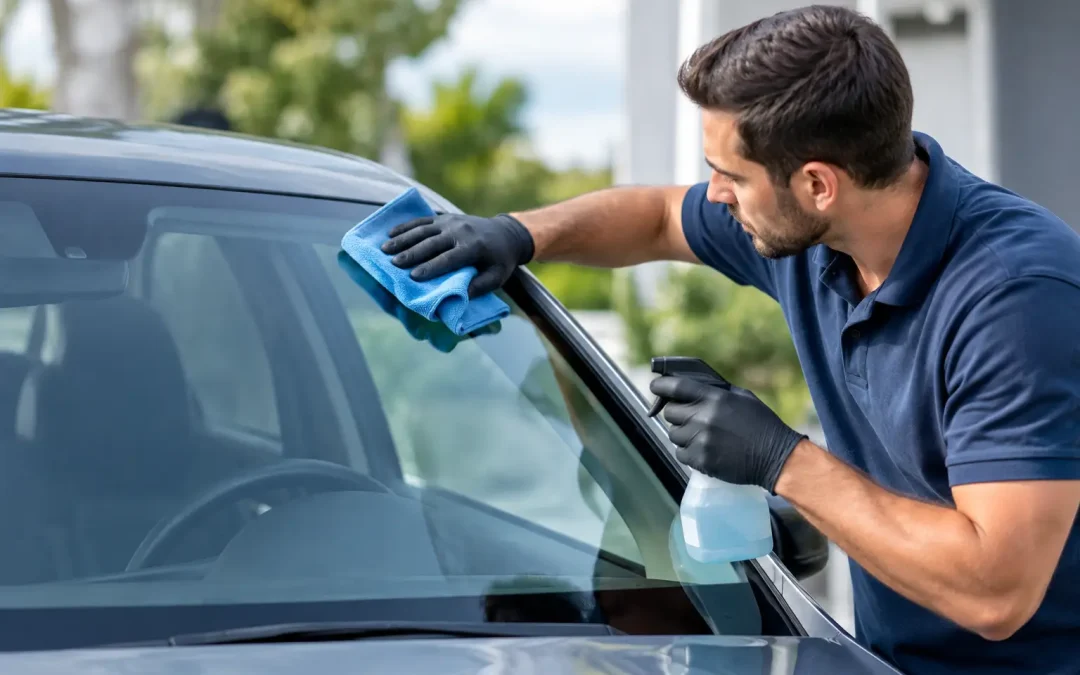
A cracked windshield, broken side window, or leaking sunroof rarely happens at a convenient time. Mobile auto glass preparation helps your appointment stay efficient while giving the technician the access and working conditions needed to complete safe, precise work at your home, office, or another approved location.
For drivers around Humble and Harris County, mobile service can save a trip to a shop and keep a damaged vehicle from disrupting the day. A little preparation matters because auto glass is more than a panel that keeps out wind and rain. Your windshield supports the roof structure, helps airbags deploy as intended, and may carry cameras or sensors that assist with braking, lane guidance, and other safety features.
Why Mobile Auto Glass Preparation Matters
The best mobile appointment is not just about making room for a technician. It is about giving the installation materials time and space to perform correctly. Windshield replacement commonly involves urethane adhesive, which must bond to clean surfaces and cure according to the product requirements. A cluttered interior, poor parking access, heavy rain, or an unstable surface can slow the process or require a safer alternative.
Preparation also helps avoid surprises. If a windshield has a forward-facing camera behind the glass, replacement may require ADAS calibration afterward. If the damage involves a power window, door glass, mirror, or sunroof, the technician may need access to specific controls, door panels, or interior trim. Knowing what to expect makes the service visit simpler and protects your vehicle from rushed work.
Choose a Safe, Workable Parking Spot
Start with where the vehicle will be parked. A level driveway, parking space, or open lot is usually the best option. The technician needs room to safely open doors, move around the vehicle, and handle large pieces of glass without placing them on a dirty or uneven surface.
Whenever possible, leave several feet of clearance around the vehicle, especially along the side where glass is being replaced. Move other cars, bicycles, bins, tools, and lawn equipment away from the work area. If your vehicle is in a garage, make sure there is enough overhead and side clearance for the technician to work. In many cases, pulling the vehicle outside is the more practical choice.
Shade can be helpful during Texas heat, but the location still needs to be dry and accessible. A covered carport often works well. Avoid parking under trees that are dropping leaves, sap, or debris onto the vehicle. Strong wind, lightning, or steady rain can affect safe handling and adhesive performance, so weather may occasionally require the appointment to be adjusted. That is not an inconvenience for its own sake – it is part of protecting the quality of the repair or replacement.
Keep the Vehicle Accessible
Have the keys available and make sure the vehicle can be moved if needed. The technician may need to turn on the ignition, operate windows, test power locks, verify defrosters, or check safety systems. If the car has an alarm, valet mode, wheel locks, or an aftermarket remote-start system, mention it before work begins.
For office appointments, confirm that mobile service is permitted in the parking area and that there are no access restrictions. A gated community, secured garage, or workplace lot may require advance approval. A quick heads-up prevents delays at arrival.
Clear the Areas That Need Attention
You do not need to detail your entire vehicle before a mobile appointment. You do need to clear the areas around the damaged glass. For windshield service, remove loose items from the dashboard, front seats, cup holders, and floorboards. Take down dash-mounted phone holders, toll tags, parking passes, decorations, and any accessories attached to the windshield.
If you use a dashboard camera, ask whether it should be removed before the appointment. Some devices can be safely detached, while others may need special attention to avoid damaging wiring or adhesive mounts. Do not pull on camera wiring or sensor covers if you are unsure how they are installed.
For side-window or power-window work, remove personal belongings from the affected door pocket, seat, and nearby floor area. Broken tempered glass can scatter into tight spaces, including inside the door, under seats, and along weatherstripping. Your technician can address the glass related to the repair, but clearing valuables first helps prevent loss or damage.
Sunroof service may require access to the headliner area and roof controls. Remove items from roof racks or crossbars if they interfere with the damaged area, and tell the technician if the sunroof has been leaking. Details such as when the leak occurs, whether it follows heavy rain, and whether the interior is damp can help narrow down the source.
Share the Details That Affect the Repair
Clear communication before the appointment helps ensure the correct glass and materials are ready. Provide the vehicle year, make, model, trim level, and VIN when requested. Small differences between trim packages can affect windshield options, sensor brackets, acoustic glass, antennas, heating elements, and molding styles.
Take a few clear photos of the damage if you are asked to send them. Include a wider shot showing the location of the damage, not just a close-up of the crack or chip. For a broken side window, note whether the glass is fully missing, cracked in place, or stuck inside the door. For a windshield chip, explain whether it is spreading and whether it sits in the driver’s direct line of sight.
Mention previous repairs, aftermarket tint, prior water leaks, body damage near the glass, or any warning lights on the dashboard. These do not always change the job, but they may affect the inspection and recommended next step. An honest description helps avoid a situation where a repair is attempted when replacement is the safer choice.
Plan for Windshield Calibration When Needed
Many newer vehicles use cameras and sensors mounted near the windshield to support advanced driver-assistance systems, often called ADAS. Depending on the vehicle, these systems can assist with lane departure warnings, lane keeping, automatic emergency braking, adaptive cruise control, traffic sign recognition, and more.
When the windshield is replaced, the camera’s viewing angle can change slightly even with a precise installation. Calibration verifies that the system is reading the road correctly. This is not an optional cosmetic step when your vehicle manufacturer requires it. It is a safety procedure tied to how the vehicle responds to real driving conditions.
Calibration requirements vary by make, model, and equipment. Some vehicles require static calibration with specialized targets and controlled measurements. Others require dynamic calibration during a road drive under appropriate conditions. In some cases, both may be necessary. Your technician should explain whether calibration applies to your vehicle and what the process involves.
Before calibration, make sure the windshield area is clean and avoid adding stickers, mounts, or accessories near the camera housing. If dashboard warning lights are already on, mention them. A pre-existing issue may need to be identified separately from the glass replacement.
Know What Happens After the Glass Is Installed
Once new glass is installed, follow the technician’s post-service instructions closely. The safe drive-away time depends on the adhesive used, temperature, humidity, and the vehicle. You may be able to drive soon after the work is completed, but that decision should come from the technician based on the actual installation conditions.
For the first day or two, avoid slamming doors if possible. Sudden pressure changes inside the cabin can place stress on fresh adhesive. Leave a small gap in a window if your technician recommends it, and do not remove retention tape until instructed. The tape is temporary, but it helps protect the molding and keeps components stable while the installation settles.
Do not run the vehicle through a high-pressure car wash right away. Gentle rain is generally not the same as a pressurized wash, but any concerns about moisture or wind noise should be reported promptly. If your windshield was calibrated, pay attention to dashboard alerts and driver-assistance messages after service.
A Few Things You Should Not Do Yourself
Avoid covering a broken window with duct tape directly on painted surfaces or window trim. Adhesive residue can be difficult to remove and may damage finishes. If temporary weather protection is needed, use a clean plastic barrier secured carefully without blocking mirrors or creating a driving hazard.
Do not push on a cracked windshield to see how loose it is, and do not attempt to inject a repair kit into a chip that is dirty, wet, or already spreading. A repair may still be possible, but the condition of the break determines whether it can be safely stabilized. For broken door glass, avoid operating the window switch repeatedly, since loose glass inside the door can damage the regulator or create additional cleanup problems.
If your vehicle must be driven before service, keep the trip limited and practical. Visibility comes first. A crack that crosses your viewing area, glass that is shedding fragments, or a window that cannot secure the vehicle deserves prompt attention.
A mobile visit should make auto glass service easier, not less careful. By clearing the vehicle, choosing a safe location, and sharing the right details ahead of time, you give your technician the conditions needed to restore clear visibility, proper function, and confidence behind the wheel. If you have questions about your specific damage or vehicle technology, NXT Auto Glass can explain the appropriate repair, replacement, or calibration plan before work begins.