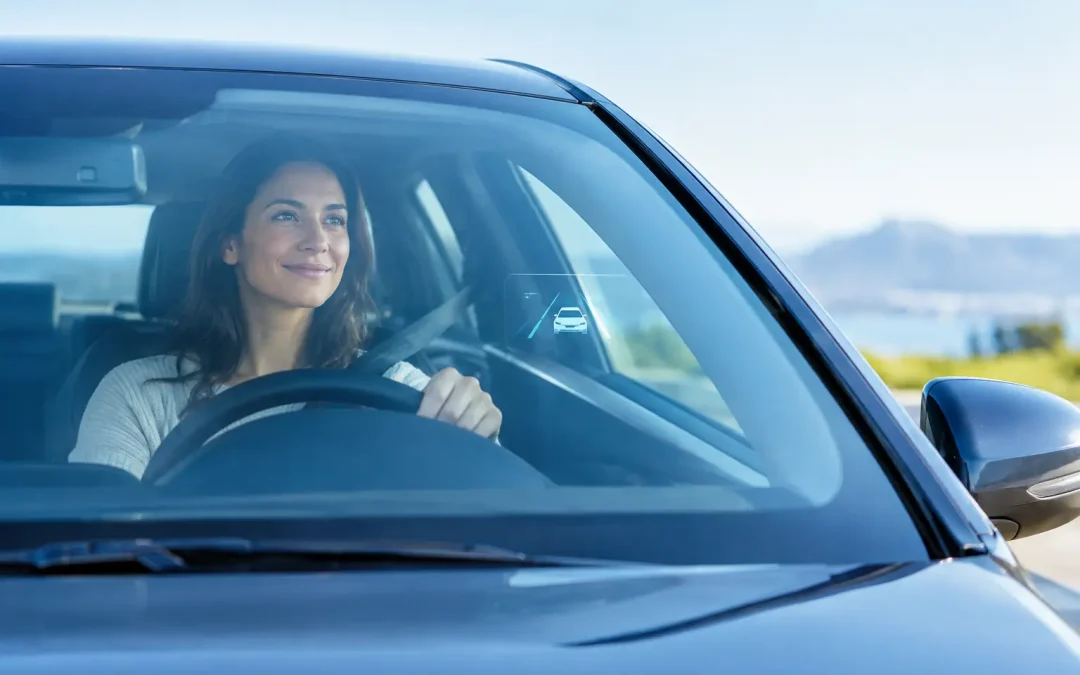
A windshield is no longer just a piece of safety glass between you and the road. On many late-model vehicles, smart windshields support cameras, sensors, displays, and driver-assistance features that help you stay aware of traffic, lane markings, weather, and potential hazards. That makes proper repair and replacement more important than ever.
For drivers in Humble and across Harris County, the practical takeaway is simple: if your windshield has technology attached to it or looking through it, glass work must be handled with the same care as a safety-system repair. A clear view matters. So does making sure the vehicle can accurately see the road after the work is done.
What Makes a Windshield “Smart”?
A smart windshield is usually part of a larger vehicle safety and convenience system. The glass itself may have special features, but the most important difference is often what is mounted behind it, embedded in it, or designed to look through it.
A forward-facing camera near the rearview mirror is one of the most common examples. That camera may support lane departure warnings, lane-keeping assistance, automatic emergency braking, adaptive cruise control, traffic-sign recognition, or forward-collision alerts. If the camera cannot see clearly or is not aimed correctly, those features may not perform as the manufacturer intended.
Some vehicles also use rain sensors to activate windshield wipers, humidity sensors for defrosting, acoustic glass to reduce road noise, heating elements, heads-up display areas, or antennas built into the glass. The exact setup depends on the year, make, model, trim level, and available options on the vehicle.
Not every windshield with a camera is identical. Two versions of the same vehicle can require different glass because of a sensor bracket, tint band, heating element, heads-up display compatibility, or camera viewing area. That is why accurate vehicle information and a careful inspection matter before ordering replacement glass.
Why Smart Windshields Require More Than a Basic Replacement
A windshield is a structural safety component. It helps support the roof in a rollover and provides a surface that allows the passenger-side airbag to deploy correctly. On a vehicle with advanced driver-assistance systems, it also becomes part of the vehicle’s vision system.
During replacement, the old glass must be removed without damaging the vehicle body, interior trim, camera mounts, moldings, or electrical connections. The replacement windshield must match the vehicle’s required features, and the new glass must be installed using proper materials and procedures. Adhesive cure time is also important. Driving too soon can affect safety, especially if the urethane has not reached its required safe drive-away strength.
The work does not necessarily stop once the glass is installed. When a forward-facing camera is moved, removed, or its viewing angle changes, it may need windshield calibration. Calibration teaches or confirms the camera’s position so the system can read lanes, vehicles, and roadway conditions accurately.
A camera can appear perfectly centered to the eye and still be slightly out of specification. Even a small difference can affect where the system believes an object or lane line is located. That is why clearing warning lights alone is not the same as completing a proper calibration procedure.
Static and Dynamic Calibration
There are two common calibration methods. Static calibration is performed in a controlled setting using precisely placed targets and specialized equipment. Dynamic calibration is completed by driving the vehicle under specific road and traffic conditions while a scan tool communicates with the vehicle.
Some vehicles require one method, while others require both. Manufacturer requirements vary, and conditions matter. Dynamic calibration may not be appropriate when weather, road markings, construction, heavy traffic, or poor visibility prevent the vehicle from completing the process correctly.
A qualified auto glass technician should identify what the vehicle requires rather than assuming every camera-equipped windshield can be handled the same way. At NXT Auto Glass, the goal is to make the process understandable: confirm the glass features, complete the installation carefully, and address needed calibration so you can get back on the road with confidence.
When a Chip Can Become a Bigger Problem
A small windshield chip does not always mean replacement is necessary. Many chips and short cracks can be repaired when they are addressed promptly. Repair can save money, preserve the factory seal, and keep damage from spreading across the glass.
However, the location of the damage matters just as much as the size. A chip directly in the driver’s primary viewing area may leave distortion after repair. Damage near the edge of the windshield can weaken the glass more quickly. A crack that reaches the camera’s viewing area or a sensor zone may interfere with the performance of safety features, even if the crack looks minor from the driver’s seat.
Texas heat can make windshield damage spread fast. A vehicle parked in direct sun can heat up quickly, then cool sharply when the air conditioning starts. That temperature change puts stress on already damaged glass. Road vibration, potholes, and pressure changes from closing doors can make the crack grow as well.
If you notice a chip, cover it from dirt and moisture when possible, avoid pressing on the damaged area, and schedule an inspection soon. A technician can tell you whether a safe repair is still realistic or whether replacement is the better choice.
Signs Your Windshield Technology Needs Attention
After windshield damage, replacement, collision work, or certain suspension repairs, pay attention to how your vehicle’s driver-assistance features behave. A dashboard warning light, a message that a camera is unavailable, or a feature that stops working should not be ignored.
Other signs can be less obvious. Your lane-keeping system may activate inconsistently. Adaptive cruise control may cancel without a clear reason. Automatic high beams or rain-sensing wipers may not respond normally. You may also notice glare, haze, distortion, or a camera area that looks obstructed.
These symptoms do not automatically mean the windshield is the cause. A dirty camera, damaged sensor, alignment issue, low battery voltage, collision damage, or software fault can also affect the system. Still, if the issue appears after glass work, it is wise to have the installation and calibration status checked.
Choosing the Right Replacement Glass
Vehicle owners often ask whether they need original equipment manufacturer glass or whether high-quality aftermarket glass is acceptable. The right answer depends on the vehicle, the technology involved, insurance requirements, glass availability, and your priorities.
OEM glass is produced to the vehicle manufacturer’s specifications and may be preferred for some vehicles with specialized features. Quality aftermarket glass can be a practical option when it meets the required specifications and is compatible with the vehicle’s equipment. The key is not simply the logo on the glass. Proper fit, correct options, installation quality, and required calibration all affect the final result.
Before approving replacement, make sure the shop verifies features such as a camera bracket, rain sensor, heads-up display area, acoustic layer, heating elements, antenna connections, and factory tint configuration. A windshield that physically fits is not always the correct windshield for the vehicle.
What to Expect From a Professional Smart Windshield Service
The process should feel clear, not complicated. A professional technician starts by identifying your vehicle and its glass options, inspecting the damage, and explaining whether repair or replacement is appropriate. If replacement is needed, the technician should protect the vehicle, remove the damaged glass carefully, prepare the bonding surface correctly, and install the proper replacement windshield.
After installation, the vehicle may need time for adhesive curing before it can be driven safely. If calibration is required, the technician should complete it using the proper procedure or clearly explain the next step. You should also receive practical aftercare guidance, such as when to remove retention tape, when it is safe to wash the vehicle, and what warning lights or concerns should prompt a follow-up call.
Mobile service can be a major convenience for busy families and commuters, but it depends on the job. Windshield replacement requires a clean, dry workspace, and certain calibrations require controlled conditions or specialized target setup. A good shop will recommend the setting that protects the quality of the work rather than forcing every job into the same service model.
Your vehicle’s safety technology is designed to help you make better decisions behind the wheel, but it can only do that when the windshield, cameras, and sensors have a clear and accurate view. If your glass is cracked, chipped, leaking, or due for replacement, getting the right inspection early can protect both your visibility and the systems working quietly behind it.