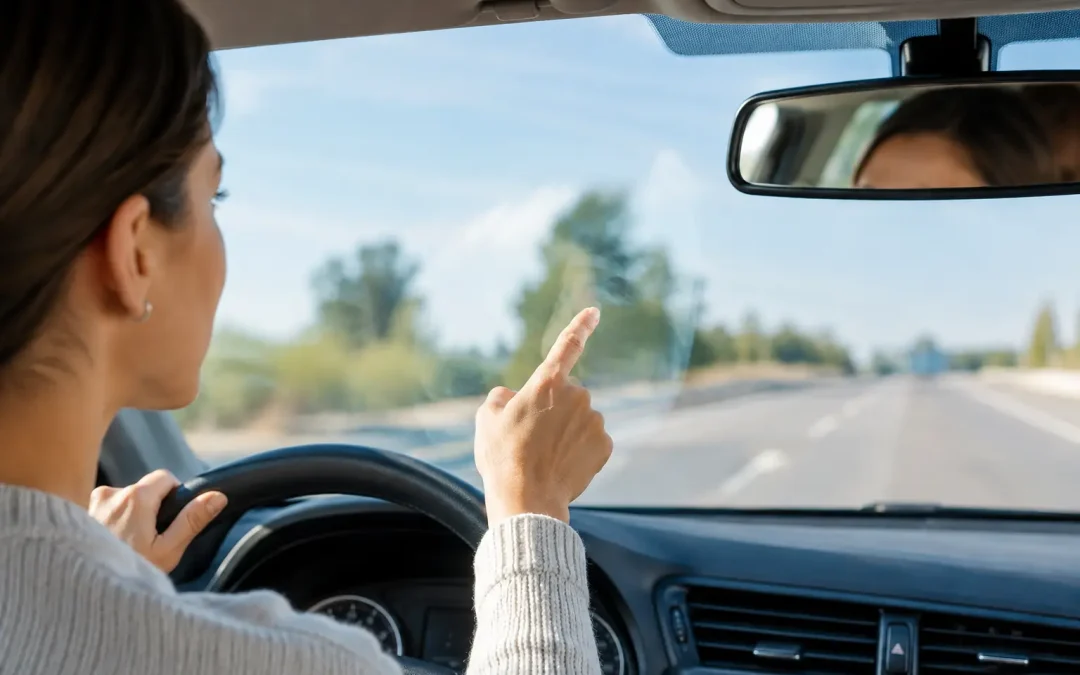
A windshield can look clean and intact yet still make driving harder than it should be. Learning how to identify windshield distortion helps you catch subtle visual problems before they affect your confidence behind the wheel, especially at highway speeds, in rain, or at night. If road lines seem to bend, traffic signs appear to shift, or your eyes feel strained after a short drive, the glass may be part of the problem.
Windshield distortion is more than a cosmetic concern. Your windshield is a primary visibility surface and a structural part of the vehicle. When the glass bends light incorrectly or has been installed under stress, it can interfere with clear vision and, on newer vehicles, may create concerns for forward-facing safety cameras.
What windshield distortion looks like
Distortion happens when light passes through a section of glass and the image on the other side appears bent, stretched, rippled, doubled, or out of focus. It is sometimes called optical distortion, but drivers usually notice it as a strange waviness in their field of view.
The most common sign is movement that does not match the road. For example, a straight lane marker may look like it curves as you approach it. A stop sign may seem to change shape when you move your head slightly. The hood line of a parked vehicle may look wavy through one area of the windshield and normal through another.
A small amount of visual variation near the far outer edges of a windshield can occur because automotive glass is curved. The issue becomes a safety concern when distortion appears in the primary viewing area directly in front of the driver, persists during normal driving, or makes it difficult to judge distance, speed, or lane position.
How to identify windshield distortion at home
You do not need special tools for a first check, but you do need a safe place to look. Park on level ground in daylight, turn off the vehicle, and clean both the inside and outside of the windshield. Dirt, haze, dried rain spots, dashboard reflections, and oily residue can all imitate a glass problem.
Use these checks to separate a cleaning issue from likely distortion:
- Look at a straight, stationary reference point. Park facing a fence, brick wall, power line, garage-door edge, or other straight object. Look through different areas of the windshield without moving the vehicle. Watch for lines that bend or ripple only through one section of glass.
- Move your head slowly from side to side. Keep your eyes on the same straight reference point. If the object appears to swim, jump, stretch, or shift noticeably through a particular area, that section may have optical distortion.
- Check from the driver’s normal seating position. A flaw that is harmless at the passenger side may be a real concern if it falls in your usual line of sight. Adjust your seat as you normally would for driving before judging the glass.
- Compare the view inside and outside the vehicle. If possible, look at the same object through the open driver’s window and then through the windshield. If the object looks straight through the window but wavy through the windshield, the windshield deserves a closer inspection.
- Repeat the test without polarized sunglasses. Some polarized lenses can create unusual patterns or rainbow effects in laminated automotive glass. Remove them before deciding that the windshield itself is distorted.
Do not test for distortion while driving. A problem may be easier to notice on the road, but taking your eyes off traffic to inspect it is not worth the risk. Make a note of where and when you see it, then check safely while parked.
Distortion is not always a crack or chip
Many drivers expect a windshield issue to be obvious. Chips, cracks, pits, and stars are easy to spot because they damage the surface. Optical distortion can occur even when the windshield feels smooth and has no visible impact mark.
That is why complaints such as eye fatigue, headaches on long commutes, difficulty seeing in rain, or a feeling that the road is moving should not be dismissed. Those symptoms can also have other causes, including vision changes, worn wiper blades, glare, or dashboard reflections. Still, a windshield inspection is a sensible step when the visual effect seems limited to one area of the glass.
Common causes of windshield distortion
Manufacturing variation is one possible cause. Windshields are laminated safety glass made with layers of glass and a plastic interlayer. If those layers are not formed consistently, the finished glass can create a lens-like effect that bends images. This is more likely to be noticeable in low-quality replacement glass, although any windshield can develop a defect.
Installation quality also matters. A windshield that is not seated correctly, is installed with uneven adhesive support, or is placed under stress can create problems beyond appearance. Poor fit can contribute to wind noise, water leaks, and structural concerns. Distortion itself may come from the glass, but installation conditions should still be evaluated by a qualified technician.
Heat and impact can play a role as well. Texas heat puts every vehicle surface under stress, and a windshield with prior damage may change over time. Severe pitting from road debris can scatter light and create glare that feels similar to distortion. Damage from an impact can also affect the glass layers without leaving a large, obvious crack.
A replacement windshield that has the wrong shape, incorrect specifications, or poor optical quality may be especially noticeable after installation. If the problem began immediately after replacement, contact the installer promptly. Do not assume your eyes simply need time to adjust.
Know the difference between distortion, glare, and haze
These issues can feel similar from the driver’s seat, but they call for different solutions. Distortion changes the shape or apparent position of an object. Glare creates brightness, halos, or blinding reflections, often from headlights, wet pavement, or a scratched surface. Haze looks more like a foggy film that reduces contrast across a broad area.
Interior windshield film is common and may come from off-gassing plastics, smoke residue, cleaning products, or fingerprints. A proper automotive glass cleaner and clean microfiber towel may restore clarity. Avoid harsh household cleaners or abrasive pads, which can damage tint bands, coatings, and surrounding materials.
If the image itself looks warped after the glass is thoroughly cleaned, it is less likely to be simple haze. A technician can inspect the windshield in changing light and from multiple angles to determine whether the issue is optical, surface-related, or caused by another component.
Why distortion matters more on ADAS-equipped vehicles
Many newer vehicles have cameras mounted near the rearview mirror area. These cameras support features such as lane-departure warnings, lane-keeping assistance, automatic emergency braking, traffic-sign recognition, and adaptive cruise control.
The camera sees through the windshield. A correct windshield and precise installation are essential, but the job may not be complete until the vehicle receives windshield calibration when required by the manufacturer. Calibration confirms that the camera can interpret the road accurately after glass replacement or certain related repairs.
Distortion near the camera area does not automatically mean an ADAS feature will fail, and a clear-looking windshield does not guarantee calibration is unnecessary. Requirements vary by vehicle make, model, year, and equipment. The practical answer is to have the vehicle evaluated by a shop that understands both auto glass installation and ADAS calibration.
When to schedule a professional windshield inspection
Schedule an inspection soon if distortion sits in front of the driver, causes eye strain, affects your ability to judge the road, or appeared after a windshield replacement. You should also have it checked if the windshield leaks, has loose molding, makes new wind noise, or shows a crack near the distorted area.
For Humble and Harris County drivers, a local auto glass specialist can assess the condition of the glass, installation, and vehicle safety features without making the process complicated. At NXT Auto Glass, the goal is to identify the real cause and recommend the right repair, replacement, or calibration service for your vehicle.
A windshield should help you see the road without making you work for it. If straight lines look wrong or your view feels unsettled, trust that signal and have the glass checked before the next long commute, stormy drive, or nighttime trip.