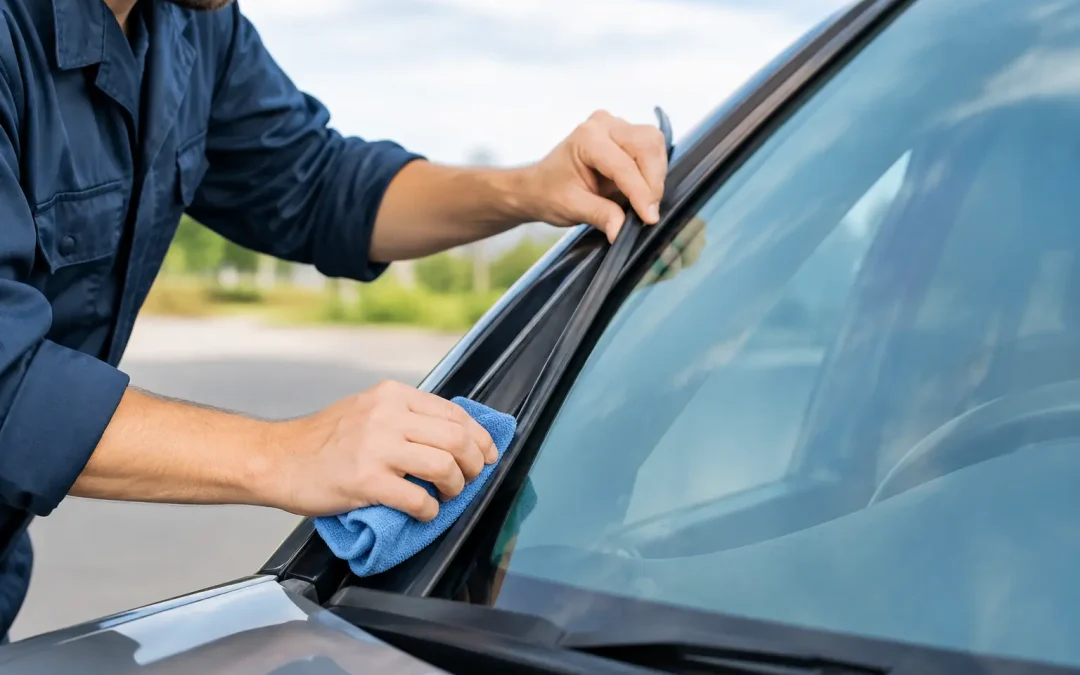
A replacement windshield should feel like a fresh start, not the beginning of a water leak or wind-noise problem. Knowing how to protect a new windshield seal during the first few days after installation helps the adhesive cure correctly and keeps your glass secure when Humble-area heat, rain, traffic, and rough roads put it to work.
The most important protection starts before you drive away: quality installation. A windshield is part of your vehicle’s safety system. It supports the roof structure in a collision, helps airbags deploy as designed on many vehicles, and provides a clear mounting surface for cameras and sensors. The seal around it needs the right materials, preparation, and curing time to do its job.
What a New Windshield Seal Actually Needs
Many drivers call the trim around the windshield the “seal,” but there are usually two separate parts. The visible rubber or plastic molding helps finish the edge and direct water. The real structural seal is the urethane adhesive underneath, which bonds the glass to the vehicle’s frame.
That distinction matters. A loose molding may look concerning, but it does not always mean the windshield is leaking. On the other hand, a windshield can appear perfectly normal while a poor adhesive bond allows water or air to get behind the glass. An experienced auto glass technician checks both the exterior trim and the bond line rather than assuming every issue has the same cause.
Fresh urethane needs time to cure. Cure time can vary based on the adhesive used, temperature, humidity, and your vehicle. In warm, humid Texas weather, some professional-grade products can reach a safe drive-away time relatively quickly. That does not mean the adhesive has reached its full strength right away. Following the installer’s instructions is the best way to protect the bond.
The First 24 to 48 Hours Matter Most
For the first day or two after windshield replacement, treat the vehicle gently. Normal driving is usually fine once the technician confirms it is safe, but avoid putting unnecessary pressure on the glass or trim.
Do not slam the doors. Closing a door hard compresses air inside the cabin and can push outward on a newly installed windshield. Instead, close doors firmly but gently. It is a small habit that can help prevent the adhesive from shifting while it continues to set.
Leave any retention tape in place for the time recommended by your technician. The tape is not there to hold the windshield in permanently. It helps keep exterior moldings and trim positioned correctly while the installation settles. Peeling it off early for appearance’s sake can create a preventable fitment issue.
If possible, keep one window cracked slightly when parked during the first day. This reduces pressure changes inside the vehicle, especially when opening and closing doors. It is particularly helpful during hot Harris County afternoons, when cabin temperatures rise quickly.
Avoid driving on rough construction routes, deep potholes, or uneven off-road surfaces when you have another option. One normal bump will not ruin a properly installed windshield, but repeated sharp vibrations are not ideal before the adhesive has fully cured.
Keep Water and High Pressure Away From the Edge
Rain usually will not harm a correctly installed windshield once you have been cleared to drive. In fact, a light rain can reveal an installation issue early, which is better than finding one weeks later. The concern is not ordinary moisture. It is direct, high-pressure water forced into the windshield perimeter.
Skip the automatic car wash for at least 24 to 48 hours, or longer if your installer advises it. Touchless washes can seem gentle because there are no spinning brushes, but their high-pressure jets can hit the molding and adhesive edge hard. Brush washes add another risk: brushes can catch a loose piece of trim or tape.
The same rule applies to pressure washing at home. Do not aim a pressure washer at the windshield edges, roofline, or cowl area beneath the glass. If you need to clean the vehicle, use a soft cloth and mild soap, keeping the rinse stream gentle around the perimeter.
Parking under cover is useful if a major storm is expected, but do not panic over normal rain. A properly bonded windshield is designed to keep water out. What you want to avoid is testing a fresh installation with excessive pressure before it has had adequate time to cure.
Protect a New Windshield Seal From Heat and Contamination
Texas heat is hard on every exterior vehicle component, including rubber trim and windshield adhesive. You cannot eliminate heat exposure, but you can limit the stress on a new installation.
For the first few days, park in a garage, covered space, or shade when practical. This helps reduce extreme temperature swings across the glass and metal body frame. It also makes the cabin more comfortable without requiring you to blast the defroster or air conditioning against an already hot windshield.
Avoid applying aftermarket products around the windshield edge. Silicone dressings, harsh degreasers, adhesive removers, and petroleum-based cleaners can leave residue on trim and make it harder to evaluate a developing issue. If you notice leftover adhesive, tape residue, or a trim piece that does not sit flush, let the installer inspect it instead of trying to scrape or glue it yourself.
Be cautious with windshield-mounted accessories as well. A light toll tag or parking pass is generally not a concern, but heavy dash-mounted devices, large suction-cup accessories, and aggressive placement near camera housings can create unnecessary stress or interfere with visibility. If your vehicle has a forward-facing safety camera, keep that area clear.
Watch for Early Signs of a Seal Problem
A windshield leak does not always show up as water dripping onto the dashboard. Sometimes the first clue is a musty odor, damp carpet near the front floorboards, fogging that seems worse than usual, or a faint whistle at highway speed.
Pay attention after the first rain or vehicle wash. Check the headliner corners, A-pillars, dashboard edges, and front carpets for dampness. Do this carefully – water can travel behind interior panels and appear away from the actual entry point. If you find moisture, take a photo before drying it so the technician has a clearer picture of what occurred.
Wind noise deserves attention too. A light rush of air may come from a misaligned molding, a gap in trim, or a door seal rather than the windshield bond itself. The source needs to be diagnosed, not guessed. Adding household caulk or sealant around the glass can trap water, damage trim, complicate warranty work, and hide the underlying problem.
Contact your auto glass provider promptly if you notice water intrusion, loose trim, unusual wind noise, or visible gaps around the windshield. Early inspection is the practical choice. A small adjustment may be all that is needed, while waiting can allow moisture to reach electronics, carpeting, or interior components.
Do Not Forget Calibration After Replacement
On newer vehicles, windshield care also means protecting the systems attached to it. Many cars use a camera mounted near the rearview mirror for lane departure warnings, forward collision alerts, automatic emergency braking, and adaptive cruise features. Replacing the windshield can affect the camera’s position or view.
If your vehicle requires ADAS calibration, make sure it is completed according to manufacturer requirements. A clear windshield and a secure seal are essential, but so is making sure the safety camera reads the road accurately. Calibration is not an optional cosmetic step. It confirms that the vehicle’s driver-assistance features have been checked after the glass work.
NXT Auto Glass can inspect the installation, address water-leak concerns, and handle windshield calibration needs for qualifying vehicles. If anything feels off after replacement, it is worth having a local specialist look at it before a minor concern becomes an interior moisture or safety issue.
A new windshield seal should not require constant worry. Give it the recommended cure time, avoid high-pressure washing and hard door slams at first, and pay attention to early changes in noise or moisture. That simple care gives quality workmanship the best chance to protect you mile after mile.