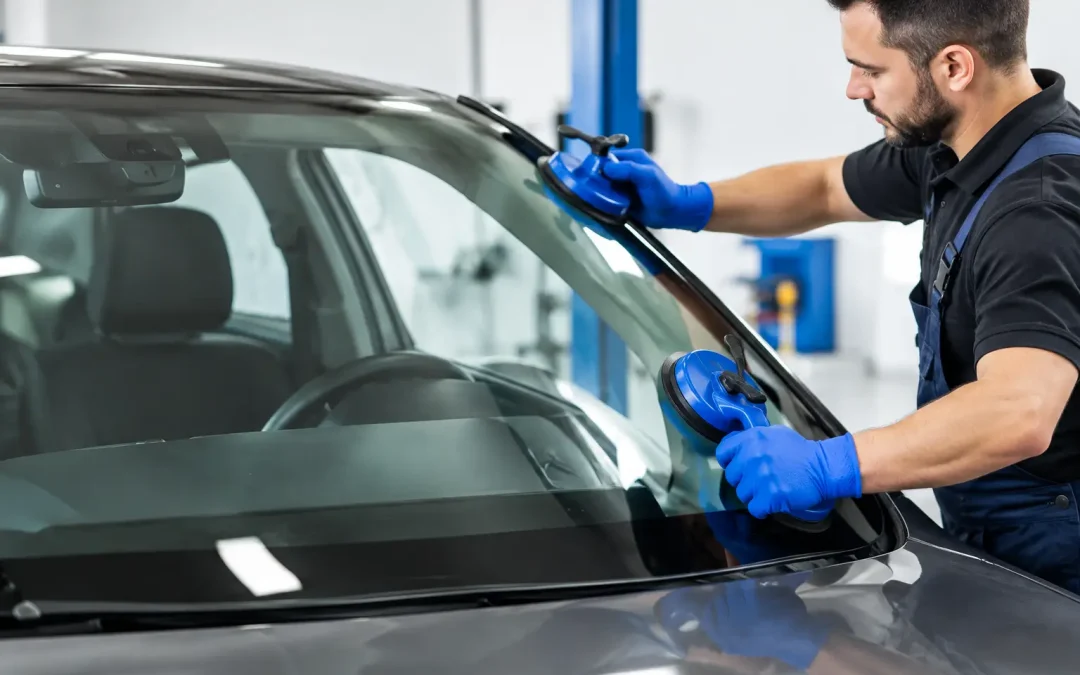
A new windshield can look perfect from the driver’s seat and still be installed incorrectly. That is why an automobile glass installation review should go beyond whether the crack is gone. The quality of the glass, the adhesive bond, the trim fit, and the vehicle’s safety-system calibration all affect how your car protects you on the road.
For drivers in Humble and across Harris County, the right question is not simply, “How fast can this be replaced?” It is, “Will this installation restore my vehicle’s visibility, structure, and safety features the way it should?” A professional installer should be ready to explain the work in plain language and inspect the finished job with you.
What a Quality Automobile Glass Installation Review Should Cover
An honest review of auto glass work starts with the parts and process, not just the final appearance. Windshields are more than transparent panels. In many vehicles, the windshield supports the roof structure, helps position airbags correctly during a collision, and provides a mounting area for forward-facing safety cameras.
A proper installation begins with identifying the exact glass needed for the vehicle. Options can include original-equipment glass, equivalent aftermarket glass, acoustic glass, heated glass, and windshields with mounts or brackets for rain sensors and cameras. The best choice depends on the vehicle, available parts, insurance requirements, and budget. A lower-cost option is not automatically poor quality, but it must match the vehicle’s features and fit correctly.
The installer should also inspect the windshield frame, known as the pinchweld, before setting new glass. Old adhesive must be prepared properly, and any rust, damage, or contamination needs attention. Skipping this step can compromise the bond and lead to leaks, wind noise, or more serious safety concerns.
The Adhesive Bond Matters More Than Most Drivers Realize
Modern windshield replacement relies on urethane adhesive designed for automotive glass. This adhesive must be applied with the correct preparation, bead size, and curing time. It is not a place to cut corners.
After installation, the vehicle may need a safe drive-away time before it can be driven. That time varies based on the adhesive, weather conditions, humidity, and the vehicle itself. A technician should provide clear instructions rather than telling you the car is ready immediately without explanation.
Be cautious if a shop treats adhesive curing as an inconvenience rather than a safety requirement. A windshield that has not cured properly may not perform as intended in a collision. Fast service is valuable, but it should never replace correct service.
Signs the Installation Was Done Carefully
Once the work is complete, take a few minutes to inspect the vehicle before you leave or before a mobile technician finishes the appointment. You do not need to be an auto glass expert to notice basic workmanship.
The glass should sit evenly in the opening, with consistent spacing around the edges. Moldings, clips, cowl panels, and weatherstripping should be secure and properly aligned. The windshield should be clean inside and out, without adhesive smears, loose trim, scratches, or rattling parts.
Look closely at the dashboard area and exterior trim. A professional replacement should not leave behind broken clips, gaps, damaged paint, or pieces that lift in the wind. Some vehicles require new clips or moldings during replacement because old components can become brittle or lose their ability to seal correctly. Reusing a worn part simply to reduce cost can create problems later.
A quality installer should also protect the interior and exterior while working. Small details such as clean seats, protected paint, and removed glass debris reflect the same care used on the safety-critical parts of the job.
Water Testing and Wind Noise Checks
Water leaks are one of the most frustrating issues after glass replacement, and they may not show up until the next heavy Texas rain or car wash. When appropriate, a controlled water test can help verify that the windshield or side glass is sealed correctly.
Wind noise is another concern. A whistle near highway speed can point to a molding issue, incomplete seating, or a gap around the glass. Not every sound comes from a new windshield, especially on an older vehicle with worn door seals, but it deserves a prompt inspection. A dependable shop will investigate the cause instead of dismissing the concern.
Why ADAS Calibration Belongs in the Review
Many newer cars use Advanced Driver Assistance Systems, often called ADAS. These systems may include lane-departure warnings, automatic emergency braking, adaptive cruise control, pedestrian detection, and traffic-sign recognition. A camera mounted near the rearview mirror often supports these features.
When the windshield is replaced, that camera’s position can change slightly. Even a small change can affect how the system reads lane markings, vehicles ahead, or road conditions. That is why many manufacturers require windshield calibration after replacement.
Calibration is not an optional add-on when your vehicle requires it. It is part of restoring the vehicle to proper operating condition. Depending on the make and model, calibration may be static, using targets and specialized equipment, or dynamic, requiring a controlled road procedure. Some vehicles require both.
Your automobile glass installation review should include whether calibration was performed when needed and whether the technician confirmed successful results. Ask for a clear explanation of what was calibrated and whether any warning lights or fault codes remain. If a shop cannot determine whether your vehicle needs calibration, that is a reason to pause before scheduling the work.
The Right Questions to Ask Before Approving a Replacement
A good auto glass provider should welcome practical questions. You are trusting them with a major safety component of your vehicle, and clear communication helps prevent surprises.
Ask whether the quoted glass includes all required features, such as rain-sensor brackets, acoustic layers, heating elements, heads-up display compatibility, or camera mounts. Ask whether damaged moldings and clips are included in the estimate or billed separately. It is also smart to ask about the warranty on both the glass and workmanship.
If your vehicle has ADAS features, ask whether calibration is required and whether it can be completed as part of the service. Do not assume every glass company has the equipment, training, or process to handle it. A replacement may look finished while a required calibration step is still outstanding.
For insurance claims, confirm how the deductible works and whether the shop can help document the damage. The lowest initial quote is not always the lowest total cost if it excludes required parts, calibration, cleanup, or a workmanship guarantee.
Mobile Service Can Be Convenient Without Sacrificing Quality
Mobile auto glass service is a practical solution for commuters, families, and working professionals. It can save time when a cracked windshield, broken door glass, or damaged sunroof makes driving difficult. But the work environment still matters.
A technician needs a clean, dry, reasonably level area with enough room to work safely. Heavy rain, high winds, excessive dust, or extreme conditions may require rescheduling or moving the vehicle to a better location. That is not poor service. It is good judgment that protects the adhesive bond and installation quality.
For mobile appointments, make sure the technician can access the vehicle, open the doors fully, and work without interruption. If broken side glass is involved, ask about vacuuming the interior and door cavity. Glass fragments can remain in door panels, seats, and carpet unless the cleanup is thorough.
When Repair Is Better Than Replacement
Not every damaged windshield needs to be replaced. A small chip or short crack may be repairable when it is outside the driver’s primary viewing area and has not spread extensively. Repair can preserve the original factory seal, cost less than replacement, and often takes less time.
However, repair has limits. Damage near the edge of the windshield, cracks that continue to grow, deep impact points, and damage affecting camera areas may make replacement the safer choice. A professional should explain why repair is or is not appropriate instead of pushing one service for every situation.
NXT Auto Glass approaches this decision with the same goal drivers want: restore clear visibility and safe vehicle operation without recommending work you do not need.
A Better Standard for Auto Glass Work
The strongest automobile glass installation review is not based on a quick glance at clean new glass. It is based on fit, bonding, leak prevention, safety-feature restoration, and honest communication before and after the job.
If something does not look right, sounds different, leaks, or triggers a warning light after installation, speak up quickly. Reputable local specialists stand behind their workmanship and want the opportunity to inspect the concern. Your windshield is in front of you on every drive – it should give you a clear view and confidence every mile.