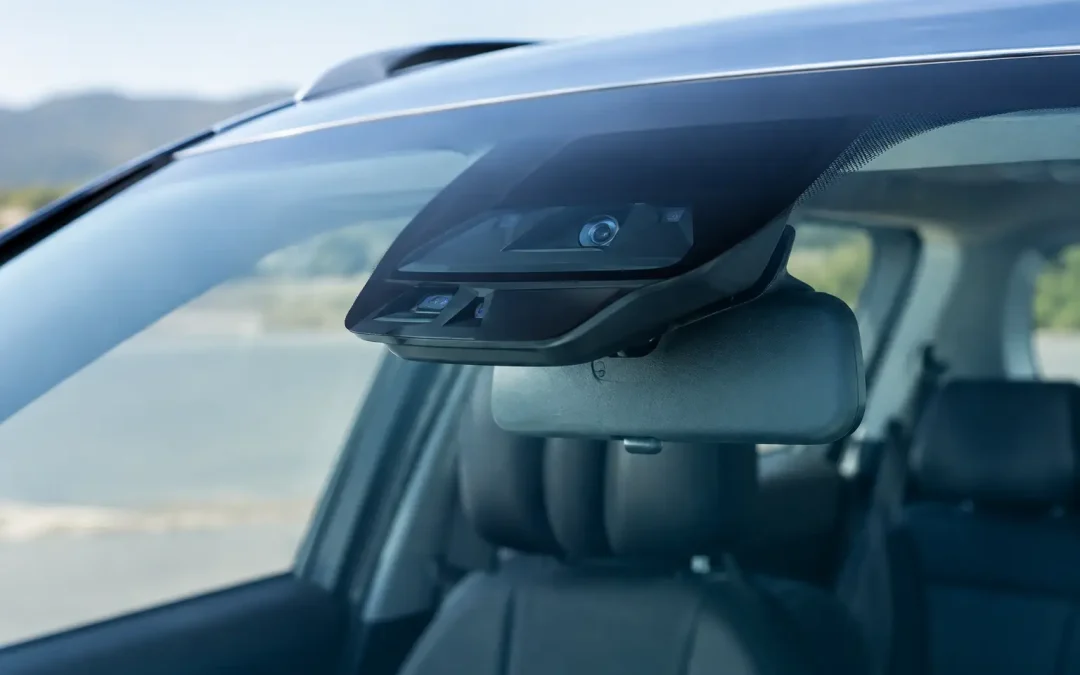
A windshield chip used to be a simple visibility problem. On many newer vehicles, it can also affect a camera, rain sensor, head-up display, or driver-assistance feature that depends on the glass being installed correctly. Future windshield sensor technology will make windshields even more connected to the safety systems drivers use every day.
For drivers in Humble and across Harris County, the practical takeaway is straightforward: windshield service is becoming more technical. The right repair or replacement is no longer just about clear glass. It is about restoring the vehicle’s view of the road and helping its safety features work as intended.
Why Windshields Are Becoming Smart Safety Components
Modern windshields already do more than block wind, rain, and road debris. Many vehicles have a forward-facing camera mounted near the rearview mirror. That camera may support automatic emergency braking, lane departure warnings, lane-keeping assistance, adaptive cruise control, traffic sign recognition, or automatic high beams.
Other vehicles use windshield-mounted rain and light sensors to activate wipers or headlights. Some have acoustic layers to reduce cabin noise, heating elements to clear frost, or special coatings that help manage heat and glare. Head-up display systems can also require a windshield designed to project information clearly without a double image.
As automakers add more technology, the windshield becomes part of a larger safety system. That does not mean every cracked windshield requires replacement or calibration. A small chip outside a sensor area may still be repairable. The right choice depends on the damage location, size, depth, and the vehicle’s equipment.
What Future Windshield Sensor Technology May Bring
The biggest changes will not arrive in one dramatic leap. They will show up gradually as cameras improve, glass designs become more specialized, and vehicles rely on more information to assist the driver.
Better cameras with more responsibilities
Forward-facing cameras are likely to gain higher resolution, wider fields of view, and stronger performance in rain, low light, and changing weather. Instead of supporting one feature, a single camera may provide information for several driver-assistance functions at once.
That efficiency has a trade-off. When one camera supports more systems, its placement and viewing angle matter even more. A windshield that looks fine but has optical distortion in the camera’s viewing zone can create problems that are not obvious from the driver’s seat.
Smarter rain, light, and visibility sensing
Rain sensors may become more accurate at telling the difference between light mist, steady rain, road spray, and a partially dirty windshield. Future systems may better coordinate wiper speed, defroster settings, headlights, and climate controls based on conditions outside the vehicle.
There is also growing interest in sensors that monitor windshield clarity. A vehicle may be able to recognize heavy fogging, ice, glare, or buildup that limits camera performance. These features can help the vehicle respond sooner, but they also make clean glass and proper sensor installation more important.
More technology built into the glass itself
Some future windshields may include more heating zones, antenna elements, display layers, and specialized coatings. Vehicles with advanced head-up displays may use precisely engineered glass layers to keep projected speed, navigation, or warning information sharp.
This does not mean all replacement glass will be unique to each vehicle. It does mean part selection will matter. Glass for a vehicle with a camera bracket, rain sensor, acoustic interlayer, heating feature, or head-up display may not be interchangeable with a basic windshield that appears similar.
Sensor fusion will raise the stakes
Vehicles increasingly combine information from cameras, radar, ultrasonic sensors, and other systems. Radar is often mounted behind a bumper or grille rather than in the windshield, but it may still work alongside a windshield camera to support the same safety feature.
This combination can improve performance because each sensor has different strengths. Cameras can read lane markings and signs, while radar can measure distance in conditions where a camera has limited visibility. The trade-off is that a warning light or driver-assistance issue may have more than one possible cause. The windshield, camera, calibration process, bumper repair history, software, and sensor condition can all matter.
Why Replacement Quality Matters More Than Ever
A windshield camera is aimed through the glass, not simply attached to the vehicle. The quality of the replacement glass, the correct bracket placement, adhesive curing, and the final camera calibration all affect the result.
Proper installation begins with matching the windshield to the vehicle’s features. A technician should identify the correct glass options before removing the damaged windshield. During installation, careful preparation of the pinch weld, correct urethane application, and accurate glass placement help restore structural support and keep out water.
After replacement, many ADAS-equipped vehicles require windshield calibration. Calibration helps the vehicle’s camera understand its position and view of the road again. Depending on the manufacturer, this may involve a static calibration using targets in a controlled setup, a dynamic calibration performed during a road drive, or both.
A quick replacement without calibration may leave the driver with warning messages, disabled safety features, or systems that do not operate as designed. Just as concerning, some systems may appear normal while their camera alignment is off. That is why following the vehicle manufacturer’s required procedure is a safety issue, not an optional extra.
Signs Your Vehicle May Need Sensor Attention
A dashboard warning is the clearest signal, but it is not the only one. After a windshield replacement, drivers should pay attention to messages involving front camera systems, lane assistance, collision warnings, automatic high beams, or rain-sensing wipers.
Changes in performance matter too. If automatic wipers no longer respond normally, camera-based features are unavailable, or a head-up display looks distorted, the vehicle should be inspected. The same applies after a collision, major pothole impact, mirror-area damage, or a windshield leak near the sensor housing.
Four situations deserve prompt professional attention:
- A crack or chip spreads into the camera or sensor area near the rearview mirror.
- A windshield has been replaced but the vehicle displays an ADAS or front-camera warning.
- Driver-assistance features behave differently after glass work or collision repairs.
- Moisture, loose trim, or a detached sensor housing appears around the windshield-mounted equipment.
Do not try to reposition a camera or sensor by hand. These components can be sensitive to angle, mounting pressure, and electrical connections. A proper inspection can determine whether the issue is related to glass, calibration, wiring, a sensor, or another vehicle system.
How Drivers Can Protect Advanced Windshield Systems
The best protection is acting early. Repairing a small chip before it spreads may preserve the original windshield and avoid a larger replacement job. If replacement is necessary, tell the glass shop about every warning light or driver-assistance feature you have noticed, even if the feature seems unrelated to the windshield.
Keep the inside and outside of the glass clean, especially in front of the camera area. Avoid placing decals, toll tags, dash camera mounts, or other items where they can block a sensor’s view. When using aftermarket tint or windshield treatments, ask whether the product is appropriate for your vehicle’s sensors and head-up display.
It also helps to retain service records showing that calibration was completed after replacement. If a warning appears later, those records give a technician useful context and may prevent unnecessary guesswork.
The Local Service Difference
As windshield technology advances, clear communication matters as much as specialized equipment. Drivers should know whether their vehicle has a camera or sensor, whether its replacement glass has special features, and whether calibration is required before pickup.
NXT Auto Glass approaches windshield work with that level of care. For customers in Humble and nearby communities, that means assessing the damage, explaining the practical options, installing the right glass, and addressing calibration needs so the vehicle can return to the road with confidence.
A smart windshield cannot make every drive risk-free, and driver-assistance systems never replace an attentive driver. But when the glass, sensors, and calibration are handled correctly, they can give your vehicle the clear view it needs to help protect the people inside it. If a chip, crack, or warning light has you questioning your windshield, getting it checked early is usually the safest and least stressful next step.