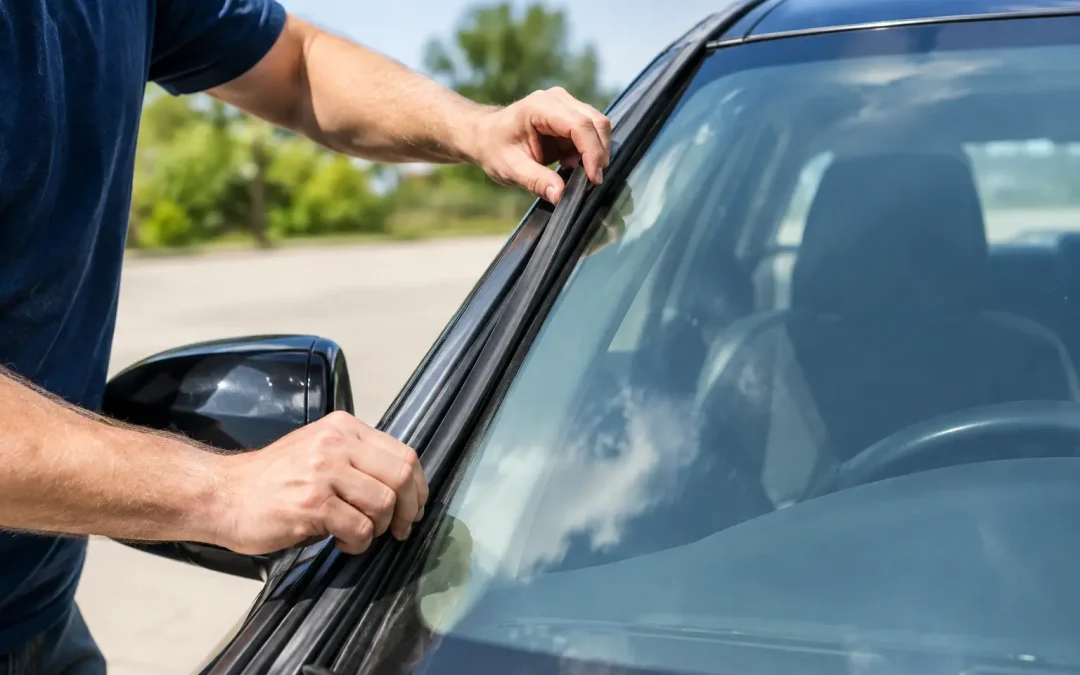
A loose strip around your windshield can look like a small cosmetic issue, but it deserves attention. This windshield molding replacement guide explains what that trim does, how to recognize a real problem, and when a professional replacement is the safest choice for your vehicle.
Windshield molding, sometimes called windshield trim or reveal molding, is the material around the outer edge of the glass. Depending on the vehicle, it may be rubber, plastic, metal-accented trim, or a combination of clips and weatherstripping. Its appearance matters, but its bigger job is helping protect the windshield edge, supporting clean water management, and covering the bond between the glass and the body.
What Windshield Molding Does for Your Vehicle
On many modern vehicles, the windshield is bonded to the frame with a high-strength urethane adhesive. That adhesive is a structural part of the installation. The molding is not always the primary water seal, but it protects the perimeter and helps direct water away from the windshield opening.
When molding is cracked, shrunken, lifted, or missing, water and debris can collect where they should not. Over time, that can contribute to corrosion around the windshield frame, staining inside the headliner, wind noise, or a loose-looking glass edge. In older vehicles, certain rubber moldings may play a more direct role in sealing the windshield, so the condition of the trim becomes even more important.
A failed molding does not automatically mean the windshield itself is loose or leaking. It does mean the area needs a closer look. The right repair depends on the vehicle design, the condition of the glass, and whether the original windshield installation was completed correctly.
Signs You May Need Windshield Molding Replacement
The most obvious sign is molding that is visibly pulling away from the glass or roofline. You may see a gap at a corner, a section that flaps at highway speeds, cracked rubber, faded plastic, or trim that has gone missing after a car wash or storm.
Other signs are less obvious. A new whistle or rushing sound at freeway speed can point to loose exterior trim. Damp carpet, a musty odor, water marks along the A-pillars, or moisture near the headliner may indicate a water intrusion issue. Water can enter from more than one location, including a sunroof drain, door seal, roof seam, or windshield perimeter, so proper diagnosis matters before replacing parts.
Take a close look after washing your vehicle or after heavy rain. If you notice water inside, avoid assuming a bead of household sealant will solve it. Sealant applied over a failing windshield bond can hide the real problem, trap moisture, and make a future repair more difficult.
Damage After a Windshield Replacement
Molding concerns sometimes appear after a windshield replacement. Some moldings are designed for one-time use and should be replaced when the glass comes out. Others can be reused only if they remain flexible, undamaged, and compatible with the new installation.
If trim is not seated correctly, clips are broken, or the wrong molding is used, it can leave uneven gaps around the glass. A professional installer should inspect the windshield opening, replace necessary clips and retainers, and fit the molding to the specific vehicle rather than forcing a universal piece into place.
Can You Replace Windshield Molding Yourself?
It depends on the vehicle and the type of molding. A simple exterior trim strip that snaps into place can sometimes be replaced by an experienced DIY owner using the correct part and plastic trim tools. Even then, it is easy to bend the molding, break hidden clips, scratch paint, or damage the windshield edge if the trim is removed improperly.
A DIY repair is not a good choice if the molding is integrated with the windshield seal, the glass has chips or cracks near the edge, water is entering the cabin, or the windshield appears to be lifting from the frame. Those conditions can require removal and reinstallation of the windshield, frame preparation, rust treatment, and fresh urethane adhesive.
Newer vehicles add another consideration. Cameras and sensors mounted near the windshield may require ADAS calibration after windshield replacement. Features such as forward collision warning, lane departure alert, lane-keeping assistance, and automatic emergency braking rely on accurate camera positioning. A windshield can look properly installed and still need calibration to restore those systems to proper operation.
Windshield Molding Replacement Guide: What a Proper Repair Includes
A quality molding repair starts with identifying the source of the problem, not simply replacing what is visible. The technician should inspect the glass edge, the windshield bond, surrounding paint, clips, cowl panel, roofline, and interior for evidence of water travel.
If the windshield is secure and the issue is limited to damaged trim, the repair may involve removing the old molding, cleaning the channel, replacing clips or retainers, and installing the correct new molding. The finished trim should sit evenly around the windshield without gaps, raised corners, or sections that can catch wind.
If inspection reveals a failed bond, hidden corrosion, or a damaged windshield, replacing the glass may be the safer repair. The old windshield is removed carefully, the frame is cleaned and prepared, corrosion is addressed as needed, and new automotive-grade urethane is applied. The replacement windshield and molding are then installed to manufacturer specifications.
This is not a place to cut corners. The windshield supports the roof structure and can affect airbag performance in a collision. Proper adhesive, correct preparation, and sufficient safe drive-away time are part of a safe installation. The lowest quote is not always the lowest-cost choice if it leaves you dealing with leaks, wind noise, poor fitment, or a repeat repair.
What About Windshield Edge Rust?
Rust around the windshield opening often develops when water reaches exposed metal beneath damaged trim or a compromised seal. Early surface corrosion may be repairable during a windshield replacement, but extensive rust can require body repair before new glass can be safely bonded in place.
Do not ignore bubbling paint around the windshield edge. It can spread beneath the molding where you cannot see it. Addressing it early can help protect the vehicle body and reduce the chance of a more involved repair later.
How to Protect New Windshield Molding
Once new molding is installed, basic care helps it last. Avoid pulling on trim when removing snow, leaves, or debris from the windshield edge. Use a soft brush or microfiber towel instead of sharp tools. Be cautious with high-pressure washers aimed directly at the perimeter of the glass, especially if the trim is older.
Texas heat is hard on rubber and plastic parts. Parking in shade when possible, cleaning away trapped leaves, and having loose trim inspected early can reduce unnecessary wear. If you notice a corner beginning to lift, schedule an inspection before wind catches it and turns a small issue into missing or damaged molding.
When to Call a Local Auto Glass Specialist
Call for professional help when the molding is loose, cracked, missing, or accompanied by water leaks, wind noise, glass movement, or corrosion. It is also wise to have the area checked after an accident, a prior windshield replacement, or damage from debris.
For drivers in Humble and nearby Harris County communities, NXT Auto Glass can inspect the windshield perimeter, explain whether trim replacement is enough, and recommend windshield replacement or calibration only when the condition calls for it. Clear answers and precise workmanship make it easier to protect your visibility, vehicle interior, and safety systems.
If windshield molding is starting to separate, handle it before the next hard rain or highway trip. A quick inspection now can prevent a small trim concern from becoming a water leak, a rust problem, or a larger windshield repair.