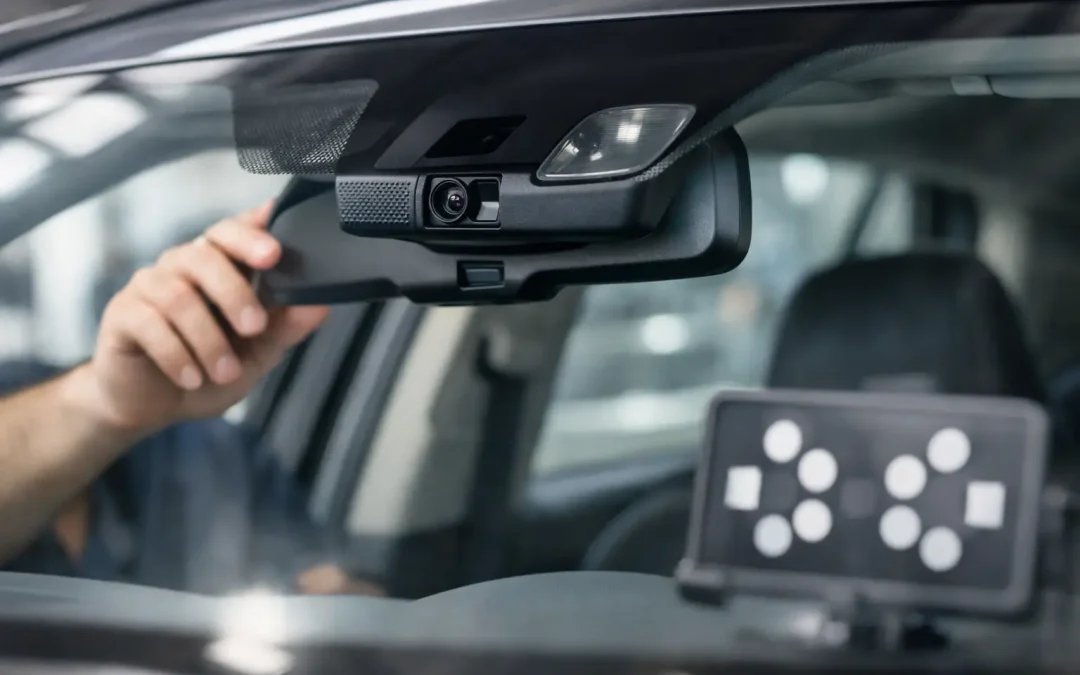
A new windshield can look perfect and still leave an important question unanswered: are the systems that look through, attach to, or react to the glass working correctly? Windshield sensors after replacement are not an optional detail on many late-model vehicles. They can affect features drivers rely on every day, from automatic emergency braking alerts to rain-sensing wipers and automatic headlights.
For drivers in Humble and across Harris County, the right next step depends on the vehicle and the equipment installed behind the windshield. Some vehicles need a professional calibration immediately after glass replacement. Others may need a sensor transferred and tested, but no calibration. Knowing the difference protects your visibility, your safety features, and your confidence behind the wheel.
Why windshield replacement can affect vehicle sensors
Your windshield is no longer just a piece of safety glass. On many vehicles, it is part of the operating environment for advanced driver-assistance systems, commonly called ADAS. A forward-facing camera may sit near the rearview mirror and look through a specific area of the windshield. That camera can support lane departure warnings, lane-keeping assistance, forward collision warnings, adaptive cruise control, traffic sign recognition, and automatic high beams.
The camera itself is usually not replaced with the glass. However, even a small change in its viewing angle, position, or optical path can matter. A new windshield has different thickness, curvature, mounting position, and camera-bracket alignment than the damaged one. The adhesive also needs time to cure properly before certain calibration procedures can be completed.
This does not mean every windshield replacement creates a problem. It means the vehicle needs to be handled according to its manufacturer requirements. Skipping that step can leave a driver with dashboard warnings, unavailable safety features, or systems that appear active but are not measuring the road as accurately as designed.
Which windshield sensors may need attention?
Not every component near the windshield is an ADAS camera, and not every one requires calibration. A qualified auto glass technician identifies what the vehicle has before replacement so the correct work can be planned.
Forward-facing cameras
This is the component most often associated with windshield calibration. It is commonly mounted behind the rearview mirror, usually inside a protective housing. Depending on the vehicle, the camera may help identify lane lines, vehicles, pedestrians, and road signs.
After windshield replacement, many manufacturers require the camera to be recalibrated. Calibration tells the vehicle where the camera is positioned relative to the road and confirms it can interpret what it sees correctly.
Rain and light sensors
Rain sensors can activate the wipers when moisture reaches the windshield. Light sensors may control automatic headlights or adjust interior displays. These sensors often attach directly to the glass with a special gel pad, adhesive, or mounting bracket.
They may not require ADAS calibration, but they do require careful transfer and testing. A damaged sensor pad, poor contact with the glass, or an incorrect installation can cause the wipers or headlights to behave inconsistently.
Heated windshield elements and antennas
Some windshields include heating elements, radio antennas, humidity sensors, or other embedded components. These do not always involve calibration, but they must be connected correctly and checked before the vehicle is returned to the owner. The right replacement glass matters here. A windshield that fits physically but lacks the correct features may not restore every function your vehicle had before the damage.
What windshield calibration actually does
Calibration is a controlled process that verifies and adjusts the relationship between the vehicle’s camera or radar-supported safety system and the road ahead. It is not simply clearing a warning light with a scan tool.
A technician uses manufacturer-approved procedures and calibration equipment to place targets at exact positions or guide the vehicle through a defined road-driving process. The vehicle then recognizes those reference points and stores the proper camera alignment.
There are two common methods. Static calibration is performed in a controlled work area with level flooring, precise target placement, proper lighting, and enough clear space around the vehicle. Dynamic calibration is completed while driving the vehicle under specific conditions, such as marked lanes, suitable traffic flow, and appropriate speed. Some vehicles require one method, while others require both.
The required method is determined by the vehicle manufacturer, not by convenience. Dynamic calibration may sound simple, but it can fail if weather, road markings, traffic, or scan-tool conditions do not meet the vehicle’s requirements. Static calibration requires the right equipment and space. This is why a replacement appointment should include a discussion about calibration before the work begins.
Signs your vehicle may need calibration after replacement
The most reliable answer comes from the vehicle manufacturer procedure and a pre-replacement inspection. Still, there are common indicators that calibration should be expected.
If your vehicle has lane-assist features, forward collision alerts, adaptive cruise control, automatic emergency braking, or a camera mounted near the rearview mirror, calibration may be required. A dashboard message mentioning camera obstruction, driver assistance, lane departure, or collision warning is another clear reason to have the system checked.
Do not assume the absence of a warning light means everything is ready. Some vehicles can store calibration-related fault codes without displaying an immediate alert. Others may allow certain features to operate with limited capability. A post-installation scan and completed calibration record provide far more assurance than a quick visual check.
What to expect during a professional replacement
A careful windshield replacement starts before the old glass is removed. The technician confirms the vehicle identification, windshield options, sensor equipment, camera bracket style, and any pre-existing warning lights or damage. This helps ensure the replacement glass matches the original features and prevents confusion about problems that existed before the appointment.
During installation, the windshield is removed without damaging moldings, camera mounts, sensor housings, or surrounding trim. The new glass is installed using the proper urethane adhesive and procedures for the vehicle. Proper bonding is essential because the windshield contributes to the vehicle’s structural integrity and helps support passenger-side airbag performance in many vehicles.
After the adhesive reaches the required safe drive-away time, sensors are reinstalled and the vehicle is tested. If calibration is required, it is completed using the appropriate static, dynamic, or combined procedure. The technician should verify that the calibration was successful and address any remaining diagnostic trouble codes before handing the vehicle back.
At NXT Auto Glass, this work is approached as a safety service, not a cosmetic glass swap. Clear communication matters because customers deserve to know whether their vehicle needs calibration, how long the process may take, and what functions have been tested.
Can windshield calibration be done with mobile service?
Sometimes, but it depends on the vehicle and the required calibration method. A dynamic calibration may be possible after a mobile windshield replacement if the manufacturer procedure and driving conditions allow it. A static calibration often requires controlled space, level surfaces, accurate target placement, and specialized equipment that may be best handled in a shop environment.
Mobile service is still valuable for many windshield replacements, especially when a cracked windshield makes normal driving difficult or inconvenient. The key is planning the full job correctly. If your vehicle requires a static calibration, arranging replacement and calibration as one coordinated service avoids leaving important safety features unverified.
Weather can also affect the schedule. Heavy rain, high winds, poor visibility, or wet working conditions can interfere with safe glass installation and dynamic calibration. A professional should explain these limits instead of rushing a job that needs precision.
Questions to ask before approving replacement
Before scheduling, tell the glass provider your vehicle’s year, make, model, and trim if you know it. Mention any safety features such as lane assist, collision warning, automatic braking, rain-sensing wipers, or a camera behind the mirror. Photos of the windshield, vehicle identification number, and dashboard warnings can also help identify the correct glass and procedure.
Ask whether the replacement windshield matches your vehicle’s sensor and camera options, whether calibration is required, and whether calibration is included in the estimate. It is also reasonable to ask how the completed calibration will be verified. Straight answers before the work begins help prevent unexpected delays or costs afterward.
The lowest windshield quote is not always the lowest total cost if it does not account for the correct glass, sensor transfer, calibration, or final system verification. Quality installation protects the investment you have already made in your vehicle’s safety technology.
If your windshield has been replaced or needs replacement, treat the camera and sensor check as part of getting the job finished right. Ask for a clear explanation of what your vehicle requires, then drive away knowing the view ahead and the technology behind it have both been properly addressed.