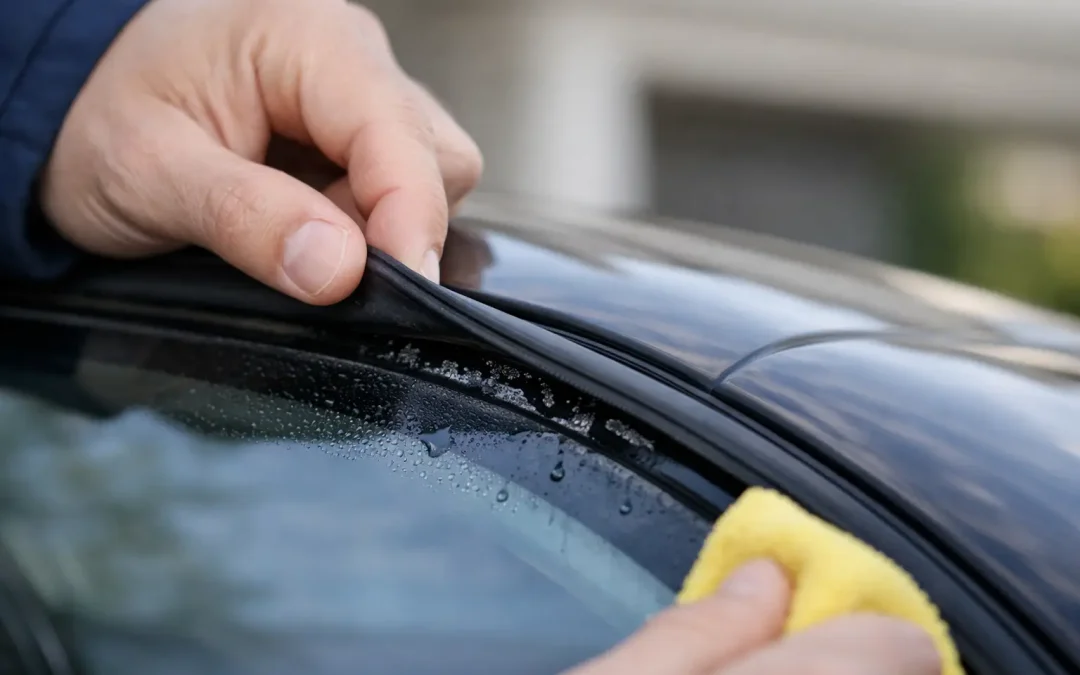
A wet passenger-side floor after a Texas downpour is easy to blame on a door left slightly open. But when it keeps happening, the windshield may be the source. Knowing how to spot windshield seal failure can help you address a small installation or bonding issue before water reaches the headliner, dashboard electronics, carpet, or metal frame around the glass.
A windshield does far more than keep rain out. It supports the roof structure, helps airbags deploy correctly in many vehicles, and provides a clear viewing area for cameras and safety systems. The seal and adhesive holding it in place need to be in good condition for the windshield to do its job.
What Windshield Seal Failure Actually Means
Many drivers refer to the rubber molding around the windshield as the seal. That molding is often trim, designed to improve appearance and direct water away from an edge. The more critical seal is usually the urethane adhesive bond between the windshield and the vehicle body.
Windshield seal failure happens when that bond is compromised, incomplete, damaged, or no longer protecting the opening as it should. It may occur after a previous windshield replacement, from impact damage, because of corrosion around the pinch weld, or as the vehicle ages. A hard pothole strike, body flex, extreme heat, and severe weather can expose an existing weak spot.
The issue is not always visible from outside. A windshield can look normal while allowing water or air to pass behind the glass. That is why symptoms inside the vehicle matter just as much as the edge of the windshield.
How to Spot Windshield Seal Failure Before It Spreads
The clearest sign is water where it does not belong. Look for damp carpet, wet floor mats, moisture on the headliner near the windshield, or water trails around the dashboard. A leak may show up after rain, a car wash, or even after parking beneath a sprinkler. It may only appear on one side because the failed section can be small and localized.
A musty smell is another warning sign. When moisture stays trapped under carpet or behind interior panels, mold and mildew can develop. You might notice fogging on the inside of the glass that takes longer than usual to clear, especially in humid Harris County weather. That does not automatically mean the windshield is leaking, but it deserves a closer inspection.
Wind noise can also point to a sealing problem. If you hear a new whistling, rushing, or fluttering sound near the top corners or sides of the windshield at highway speeds, air may be moving past an uneven edge or weak bond. Wind noise is sometimes caused by a loose exterior molding, so the diagnosis depends on where the sound occurs and whether there are other symptoms.
Pay attention to visual changes at the windshield perimeter. Signs worth checking include:
- Loose, lifted, cracked, or missing molding around the windshield
- Gaps between the glass and body opening
- Cracked or deteriorated material visible near the edge of the glass
- Rust stains, bubbling paint, or corrosion around the windshield frame
- A windshield that appears to sit unevenly in the opening
Rust deserves prompt attention. Corrosion can weaken the surface where the windshield adhesive bonds to the body. Simply applying more sealant over a leak will not correct a compromised frame or restore a proper bond.
A Leak Is Not Always a Windshield Leak
Water can enter a vehicle through several places. Sunroof drains, cowl drains below the windshield, door weatherstripping, body seams, roof racks, and A/C drain issues can all create wet carpet or interior moisture. On some vehicles, clogged drains cause water to collect and travel far from the original entry point.
That is why a professional leak inspection should be methodical. The technician should identify the water path rather than guessing based on the wet area. Depending on the vehicle and symptoms, this can involve a controlled water test, inspection of trim and drain channels, and checking the windshield bond for gaps or separation.
Avoid assuming that a wet floor confirms a failed windshield seal. At the same time, do not ignore repeated moisture just because the windshield glass itself is not cracked. Water damage can become more expensive than the original repair when it reaches wiring connectors, seat modules, sound insulation, or the vehicle floor pan.
Why Seal Failure Can Become a Safety Concern
A leaking windshield is inconvenient, but the concern goes beyond a damp interior. On modern vehicles, the windshield is often a structural component. Properly installed automotive glass contributes to the vehicle’s roof support and helps keep the passenger-side airbag positioned correctly during a collision.
If adhesive has separated or a windshield was improperly installed, the glass may not perform as designed in an accident. This is one reason temporary caulk, household silicone, or tape is not an appropriate long-term repair. These materials may redirect water for a short time, but they do not recreate an automotive-grade urethane bond.
For vehicles with forward-facing cameras behind the windshield, there is an additional consideration. If replacement becomes necessary, the camera system may require ADAS windshield calibration. Features such as lane departure alerts, forward collision warnings, and automatic emergency braking rely on accurate camera positioning. Proper glass installation and calibration work together to protect the systems you count on while driving.
When Resealing May Work and When Replacement Is Better
The right repair depends on the condition of the glass, adhesive, and vehicle frame. If the windshield is undamaged and the problem is limited to a loose molding or a small accessible gap, a targeted reseal may be possible. The surrounding bonding surface must be clean, solid, and free from significant corrosion.
Replacement is often the safer option when the windshield has cracks near the edge, visible bond separation, serious rust around the frame, or evidence of a poor previous installation. Edge cracks place stress on the most vulnerable part of the glass and can spread quickly. A replacement also allows the installer to inspect and prepare the windshield opening correctly before new glass is installed.
Cost should be part of the conversation, but it should not be the only factor. A quick surface seal can be less expensive upfront, yet it may only delay a larger issue if the adhesive underneath has failed. A clear inspection helps you choose the repair that protects the vehicle instead of paying twice for the same problem.
What You Can Do Before Your Appointment
If you suspect a windshield leak, document when it occurs. Note whether it happens after rain, a car wash, or highway driving, and identify where moisture appears inside the cabin. Photos of wet areas, lifted trim, or rust spots can help explain the problem.
Remove standing water and dry the affected area as soon as possible. If carpet is soaked, lift the edge carefully if you can do so without damaging trim, then allow air to circulate. Do not direct high-pressure water at the suspected windshield edge to test it. That can force water into areas it would not normally reach and make the source harder to pinpoint.
It is also wise to avoid slamming doors if the windshield already appears loose or separated. Pressure changes inside the cabin can stress an existing gap. If the glass has shifted, cracked badly, or has a visible opening around the frame, arrange professional service promptly and avoid driving unless necessary.
Get a Precise Diagnosis, Not a Surface Fix
Windshield sealing problems can be subtle at first, especially when the leak only appears during heavy rain. The earlier the cause is found, the better the chance of preventing rust, odors, electrical damage, and avoidable interior repairs.
For drivers in Humble and nearby Harris County communities, NXT Auto Glass can inspect suspected windshield leaks, explain what is causing the issue, and recommend repair or replacement based on the condition of your vehicle. A properly sealed windshield restores more than a dry cabin – it helps restore the confidence that your vehicle is ready for the next storm, commute, or family trip.