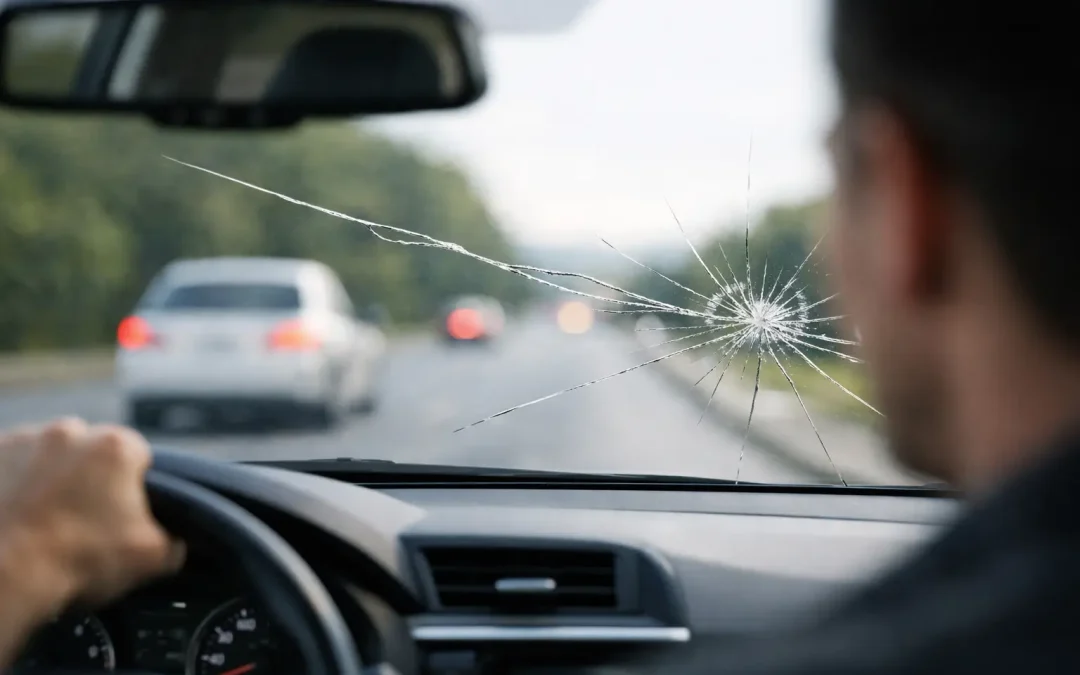
A windshield crack can look minor when it first appears, especially if it starts near an edge or stays outside your direct line of sight. But if you are asking, “is it safe to drive with cracked windshield” damage, the safest answer is usually: only long enough to get the problem assessed. A cracked windshield can affect visibility, weaken a key safety component of your vehicle, and become much worse with one pothole, temperature change, or hard brake.
For drivers in Humble and across Harris County, the heat, humidity, road vibration, and sudden storms can turn a manageable crack into a replacement-level issue quickly. Knowing when to stop driving, when a repair may work, and when replacement is the right call can protect both your safety and your budget.
Is It Safe to Drive With a Cracked Windshield?
It depends on the crack’s size, location, and severity, but driving with a cracked windshield is never risk-free. Your windshield does much more than block wind and rain. It helps support the roof in a rollover, provides a stable surface for passenger-side airbag deployment, and protects you from debris during a collision.
A small chip or short crack may not create an immediate emergency. Still, it needs prompt attention. If the damage is spreading, obstructing your view, reaching the edge of the glass, or affecting the area in front of a camera or sensor, the vehicle should be inspected as soon as possible.
The risk is not limited to what you can see. Windshield glass is laminated, meaning it is made of two layers of glass bonded around a plastic inner layer. That construction helps keep the windshield together on impact, but a crack compromises the glass and can reduce its overall strength.
When You Should Avoid Driving
Some windshield damage calls for more than a “wait and see” approach. If the crack interferes with your ability to see traffic lights, pedestrians, lane markings, or vehicles, do not continue normal driving. Glare at sunrise, nighttime headlights, and rain can make even a thin crack much more distracting than it appears in your driveway.
You should also avoid driving when the crack is long, branching, or spreading rapidly. Cracks near the outer edge of the windshield are especially concerning because the edge helps maintain the glass’s structural integrity. A crack there can spread across the windshield with very little warning.
Damage directly in front of the driver is another concern. Even when a crack is technically repairable, a repair can leave a small visual blemish. For that reason, damage in the primary viewing area often calls for windshield replacement instead of repair.
A windshield that is badly damaged after an accident should be treated as a safety issue, not just cosmetic damage. If the glass is shattered, deeply fractured, leaking, or separating from the frame, arrange professional service rather than driving the vehicle.
Why Windshield Cracks Spread So Fast in Texas
A crack rarely stays the same. Glass expands and contracts as temperatures change, and Texas weather puts windshields through plenty of stress. Parking outside in afternoon heat, running the air conditioner at full power, or getting caught in a heavy rainstorm can all cause a crack to move.
Road conditions matter, too. A speed bump, railroad crossing, pothole, or uneven driveway creates vibration through the vehicle body. That vibration can push a small crack farther across the glass. Once a crack spreads, repair may no longer be an option.
Moisture and dirt also work their way into damaged glass. A clean, fresh chip is generally easier to repair than one that has collected road grime, water, or cleaning chemicals for weeks. Acting early often gives you more options and may help avoid the cost of full replacement.
Repair or Replacement: What Determines the Right Fix?
Windshield repair is often possible for small chips and short, contained cracks. During a repair, a technician injects a specialized resin into the damaged area and cures it to help restore strength and reduce the appearance of the damage. The goal is to stop the damage from spreading and preserve the original windshield when it is safe to do so.
Replacement is generally the better choice when a crack is long, reaches the windshield edge, has multiple branches, penetrates deeply, or sits in the driver’s primary view. Replacement may also be necessary when the glass has damage in a location that affects safety technology.
The right decision should be based on the condition of the glass, not on a one-size-fits-all rule. A professional inspection can determine whether repair will provide a dependable result or whether replacing the windshield is the safer investment.
Cracked Windshields and ADAS Safety Systems
Many newer vehicles have advanced driver-assistance systems, often called ADAS. These systems may include forward collision alerts, automatic emergency braking, adaptive cruise control, lane departure warnings, and lane-keeping assistance. Cameras and sensors for these features are frequently mounted near or behind the windshield.
If your windshield is replaced, the camera may need windshield calibration so it can accurately recognize lanes, vehicles, and road conditions. Even a small difference in camera position can affect how the system reads the road.
This is why windshield replacement on an ADAS-equipped vehicle is not simply a glass installation. Proper installation and calibration work together to help restore the vehicle’s intended safety features. If a warning light appears after windshield service, or your vehicle’s driver-assistance features behave differently, have the system checked promptly.
What to Do While You Wait for Service
If you need to drive a short distance before the windshield can be inspected, take steps to avoid making the damage worse. Keep the windshield clean, but do not use harsh chemicals or high-pressure water directly on the crack. Avoid slamming doors, driving over rough roads when possible, and blasting hot or cold air directly at the damaged spot.
A clear temporary windshield patch can help keep moisture and debris out of a fresh chip, but it is not a repair. Do not apply tape that blocks your vision, and do not attempt a do-it-yourself fix if the damage is large, dirty, spreading, or located near an ADAS camera.
Most importantly, do not wait because the crack “has not changed yet.” Windshield damage can remain stable for days and then spread suddenly during one drive. Early service is usually simpler than dealing with a crack that has crossed the glass.
Does Insurance Cover a Cracked Windshield?
Coverage depends on your policy and deductible. Comprehensive coverage may help pay for windshield repair or replacement when damage comes from road debris, weather, vandalism, or other non-collision events. Some policies offer separate glass coverage with a lower deductible or no deductible for repair.
Before authorizing work, review your policy or contact your insurer to understand your options. A qualified local auto glass specialist can also explain the damage, provide a clear estimate, and help you understand whether repair or replacement makes better financial sense for your vehicle.
Get the Crack Checked Before It Becomes a Bigger Problem
A cracked windshield is easy to postpone because the vehicle may still feel perfectly drivable. The better question is whether the glass will protect you and provide clear visibility when you need it most. If the crack is growing, distracting, near the edge, or close to a camera, schedule an inspection without delay.
NXT Auto Glass helps drivers throughout Humble and nearby Harris County communities make a clear, safety-focused decision about windshield repair, replacement, and required ADAS calibration. A quick professional assessment can give you a safer view of the road and prevent a small piece of damage from becoming a much larger interruption.